The Betrothed
An orchestral project for the National Museum of Cinema
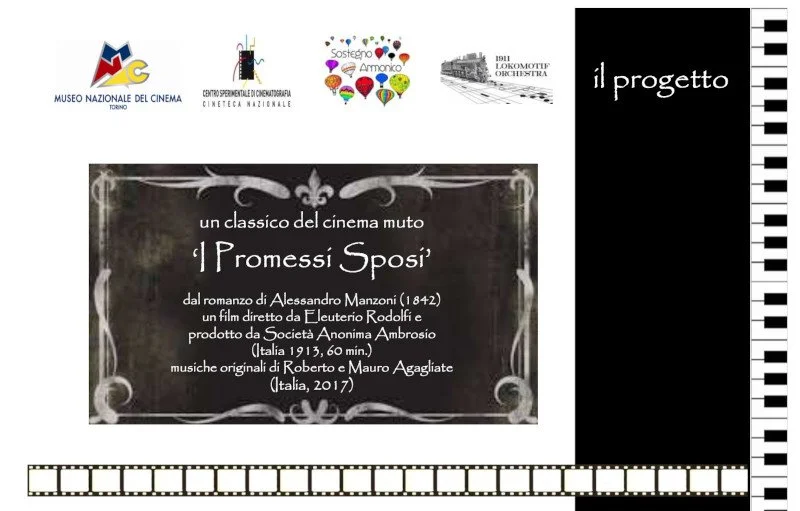
A new original score for Rodolfi’s 1913 masterpiece, written with my brother Roberto
The Immortal Masterpiece: Manzoni’s Legacy
Alessandro Manzoni’s I Promessi Sposi (The Betrothed), published in its definitive form in 1842, is far more than a historical novel; it is a vivid fresco of 17th-century Italy amidst plague, famine, and oppression.
Its iconic characters and dramatic tension possess a communicative force that remains undiminished. This complexity naturally lends itself to visual transposition, providing a rich narrative structure for cinematic exploration.
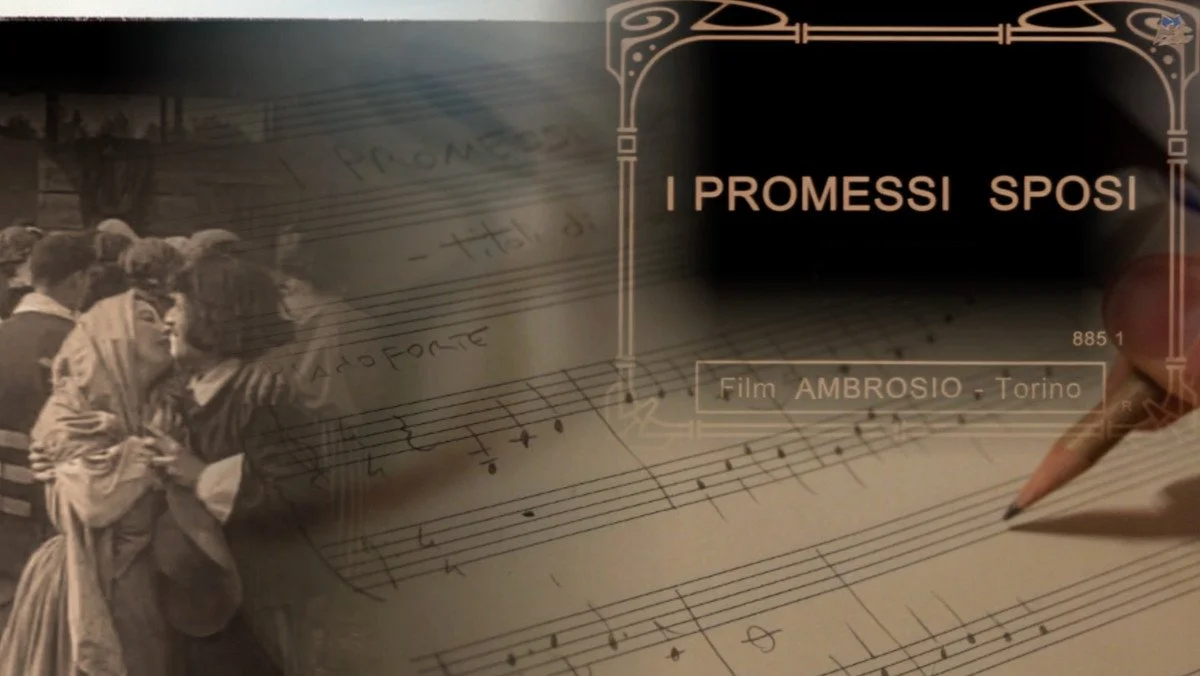
1913: The Birth of a Cinematic "Kolossal"
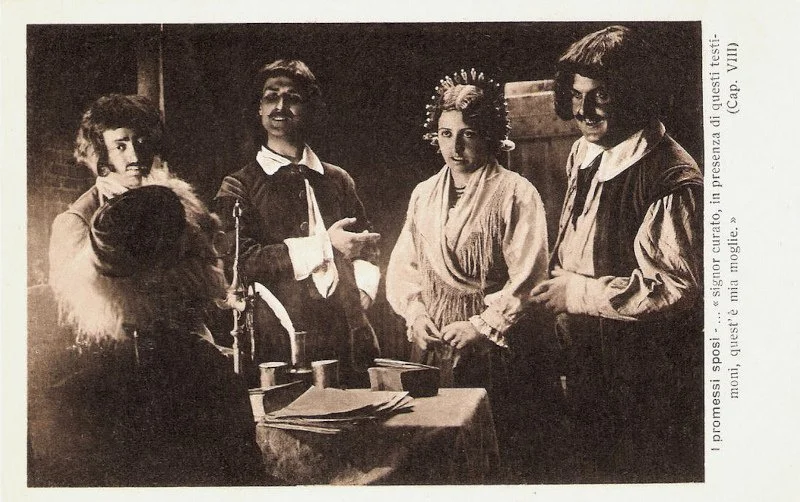
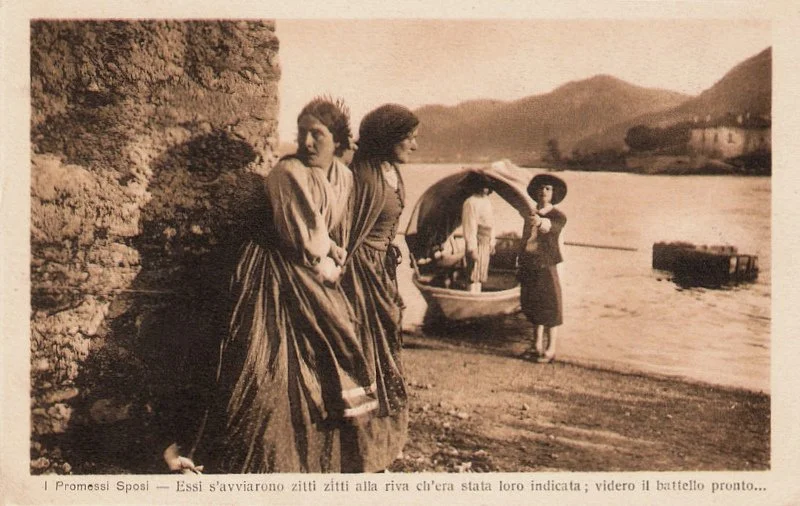
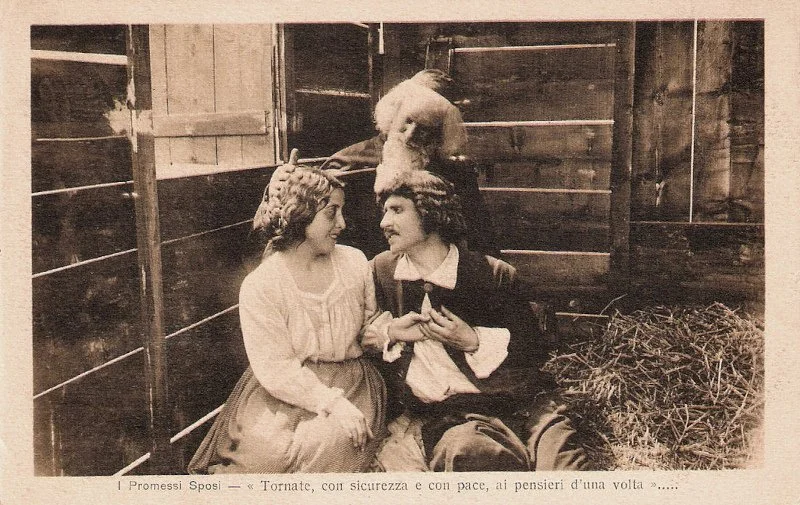
Directed by Eleuterio Rodolfi and produced by the Turin-based Società Anonima Ambrosio in 1913, this film is a milestone of world cinema.
With a then-extraordinary duration of about one hour, it was a true silent-era blockbuster. As the oldest extant film adaptation of the novel, it preserves a rare aesthetic: grand set designs, theatrical gestures, and meticulous historical detail.
The restoration by the National Museum of Cinema in Turin and the Cineteca di Bologna stands as a vital act of cultural preservation.
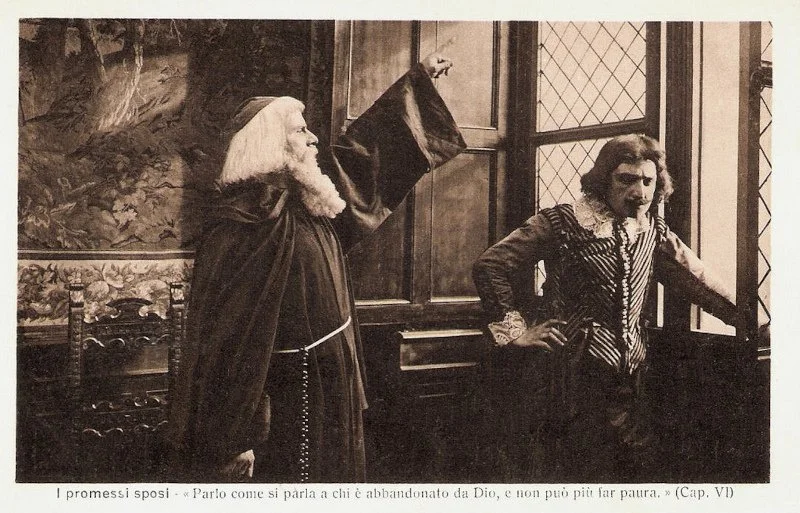
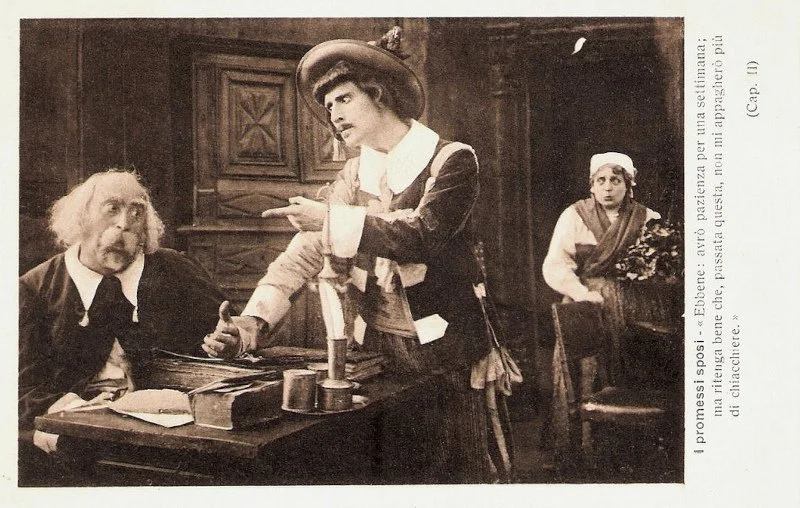
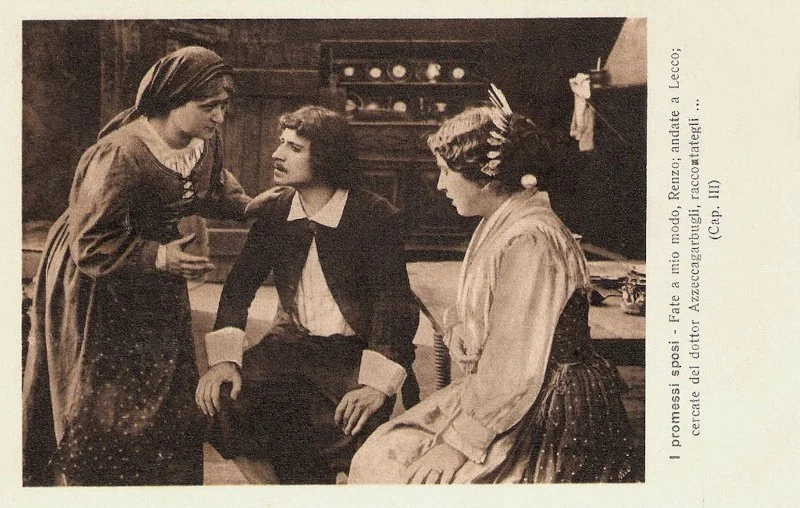
The Challenge: Giving Voice to Silence
Commissioned by the National Museum of Cinema to score this restored masterpiece, my brother Roberto and I embarked on a creative journey to return a sonic dimension to the film that speaks to contemporary audiences without betraying its 1913 soul.
The goal was to transform the screening into a total event, rewriting the auditory identity of characters like Lucia, Don Rodrigo, and the Innominato, turning sixty minutes of silent film into an organic, sweeping symphonic work.
Composing Across Two Centuries: A Temporal Bridge
The advantage of historical perspective
Scoring a silent film a century later offers a unique aesthetic reservoir. While a composer in 1913 was limited by the language of his time, I could navigate through the avant-garde breakthroughs of the 20th century—from European serialism and the rhythmic explosions of Stravinsky and Bartók to the suspended textures of Ligeti. This allowed for a modern reinterpretation of the drama, filling the silence of the protagonists with a language capable of translating universal emotions for today’s listeners.
Tradition Meets New Technology
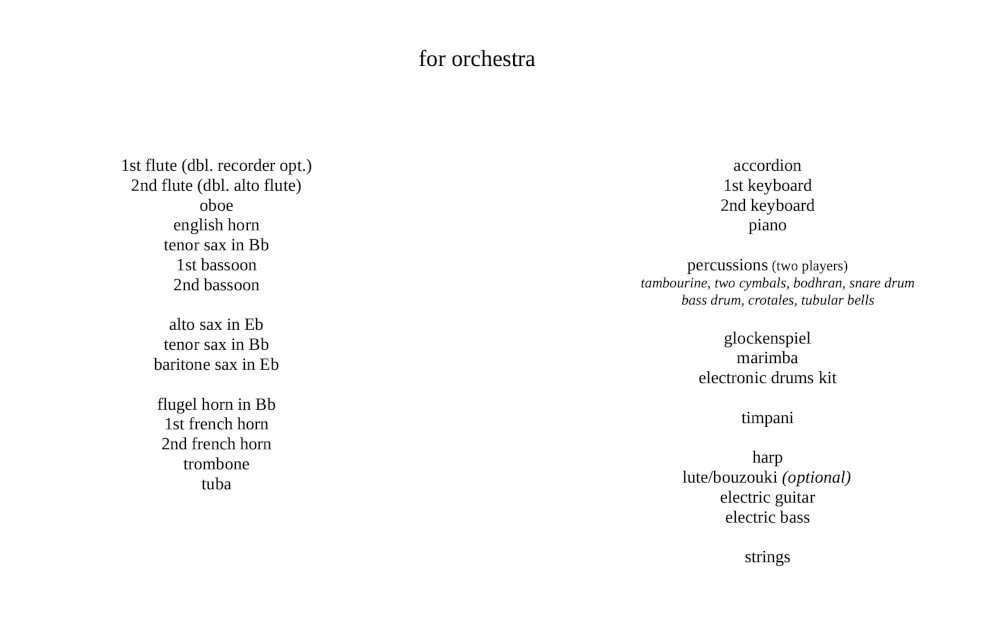
The sonic architecture of I Promessi Sposi was conceived for a large symphony orchestra but enriched by a deep technological soul.
Majestic strings and woodwinds engage in a constant dialogue with advanced electronics and sampling. Each scene was treated with specific character, meticulously crafting leitmotifs for the characters to ensure narrative continuity. The music acts as an invisible glue, fusing the visual past of 1913 with the acoustic present.
The Sound Workshop: Hybrid Orchestration
Hybrid Orchestration: EastWest and Real-World Performance
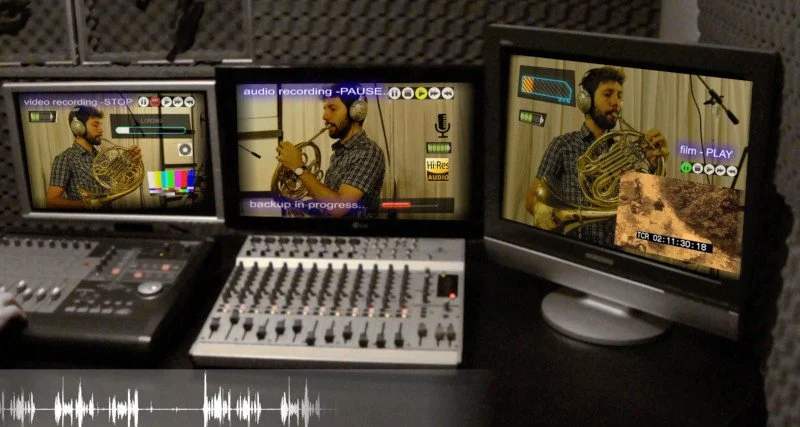
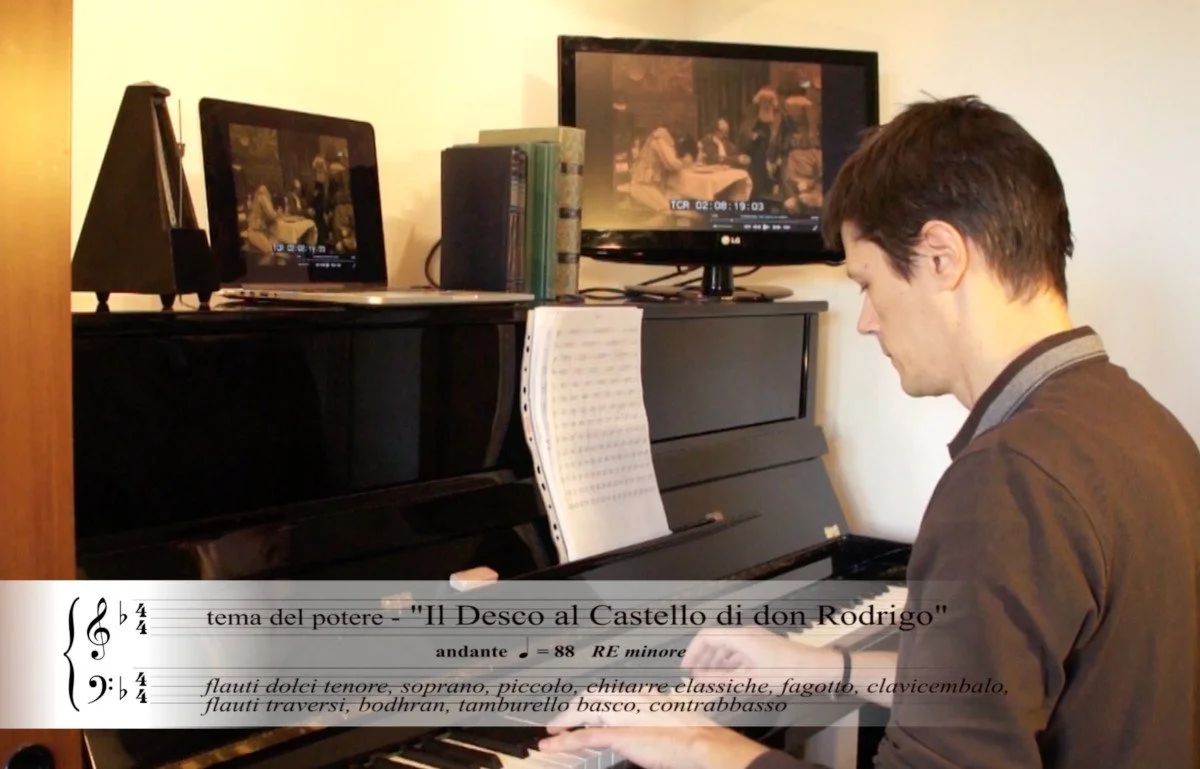
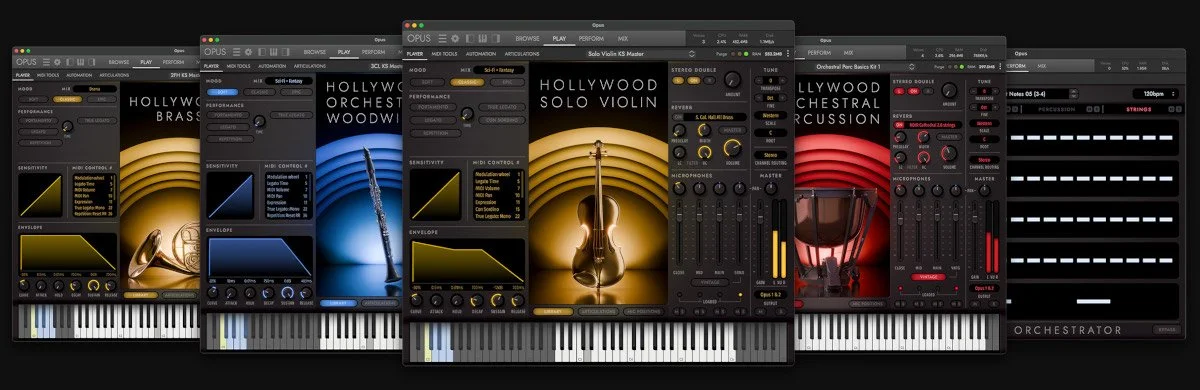
The creation of the score for I Promessi Sposi required several months of meticulous production to cover the entire hour of film. The technological heart of the project was the use of the renowned EastWest libraries, which allowed for the reconstruction of a full symphonic orchestral mass. However, to give soul and breath to the core themes, we chose the path of hybridization: the solidity of the virtual orchestra was enriched and "humanized" through numerous studio recording sessions.
The Breath of Life: The Recording Sessions
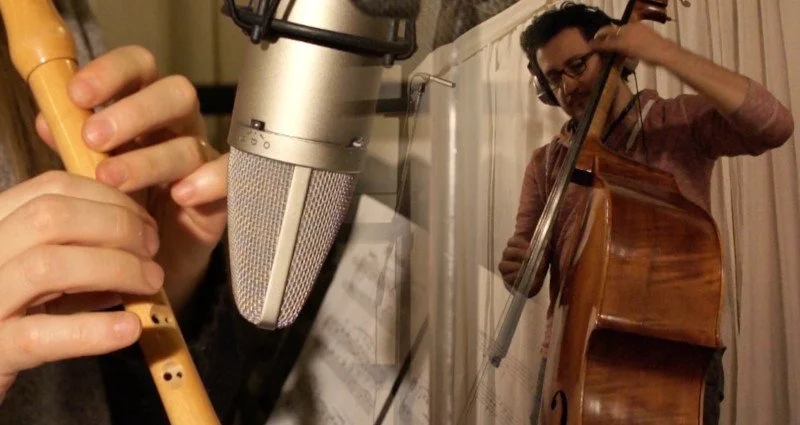
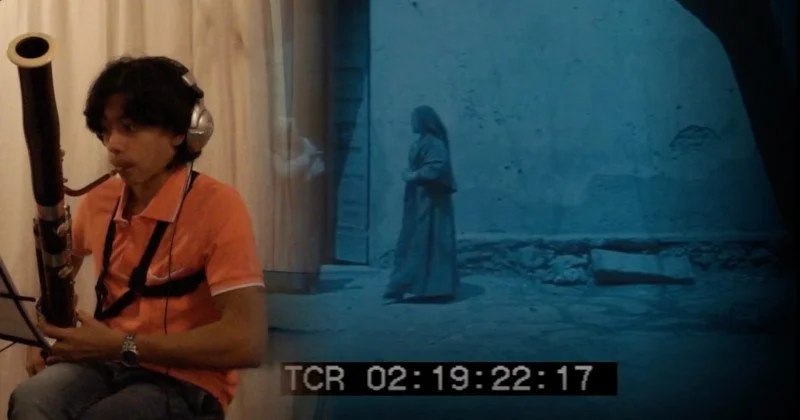
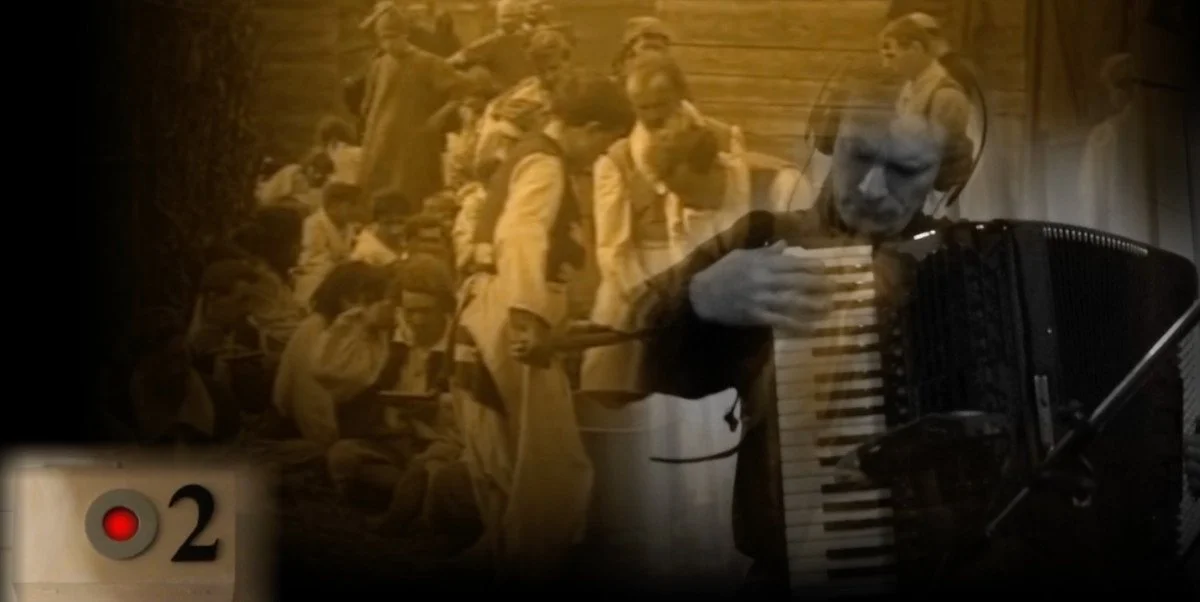
To do justice to the dramatic depth of Manzoni’s characters, it was essential for the solo lines to possess the phrasing and vibration that only a live musician can provide. Solo strings and woodwinds were recorded in the studio, allowing each intervention to adapt to the nuanced expressions of the 1913 actors. These "workshop" moments—where the score came to life through the breaths and bowings of the soloists—seal the definitive union between yesterday’s vision and today’s sound.
From Studio to Screen: The Première at Cinema Massimo (Turin)
The culmination of this journey took place on January 20, 2023, at the prestigious Cinema Massimo in Turin. The official screening of the restored version, featuring the original music composed with Roberto Agagliate, was the centerpiece of a special event organized by the National Museum of Cinema.
The critical and public acclaim confirmed the strength of this "temporal bridge," transforming a historical restoration into a living sensory experience.