Chronos and Kairos
Art Installation and Cinematic Set at Torino Comics
An immersive experience between railway clocks and instant cinema
Torino Comics:a National Stage
Torino Comics is one of Italy’s most prestigious events dedicated to pop culture and the "ninth art."
With a consolidated tradition attracting tens of thousands of enthusiasts, the festival serves as an exceptional showcase for creative innovation. Within this high-visibility context, the installation found its home, engaging a diverse audience eager for experiences that transcend passive consumption.

Chronos and Kairos: the art installation
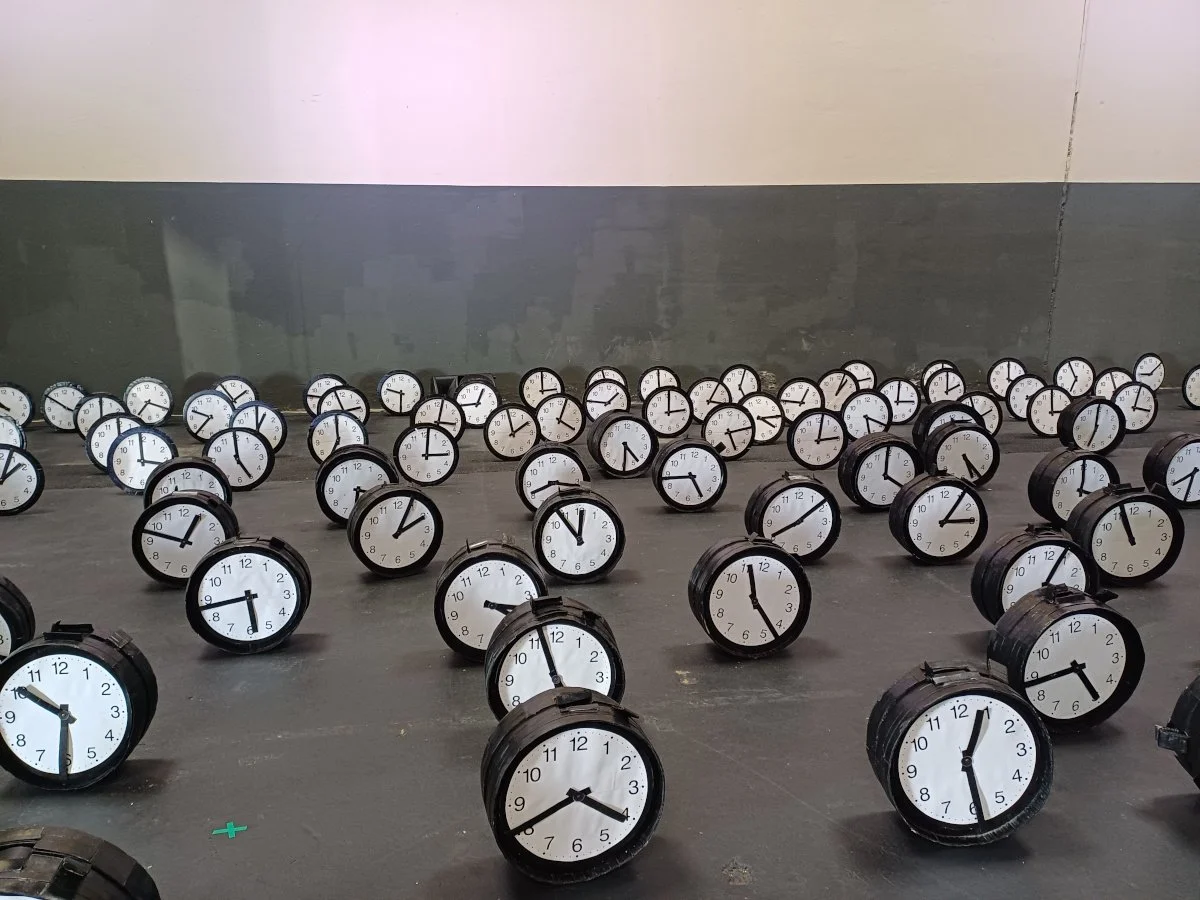
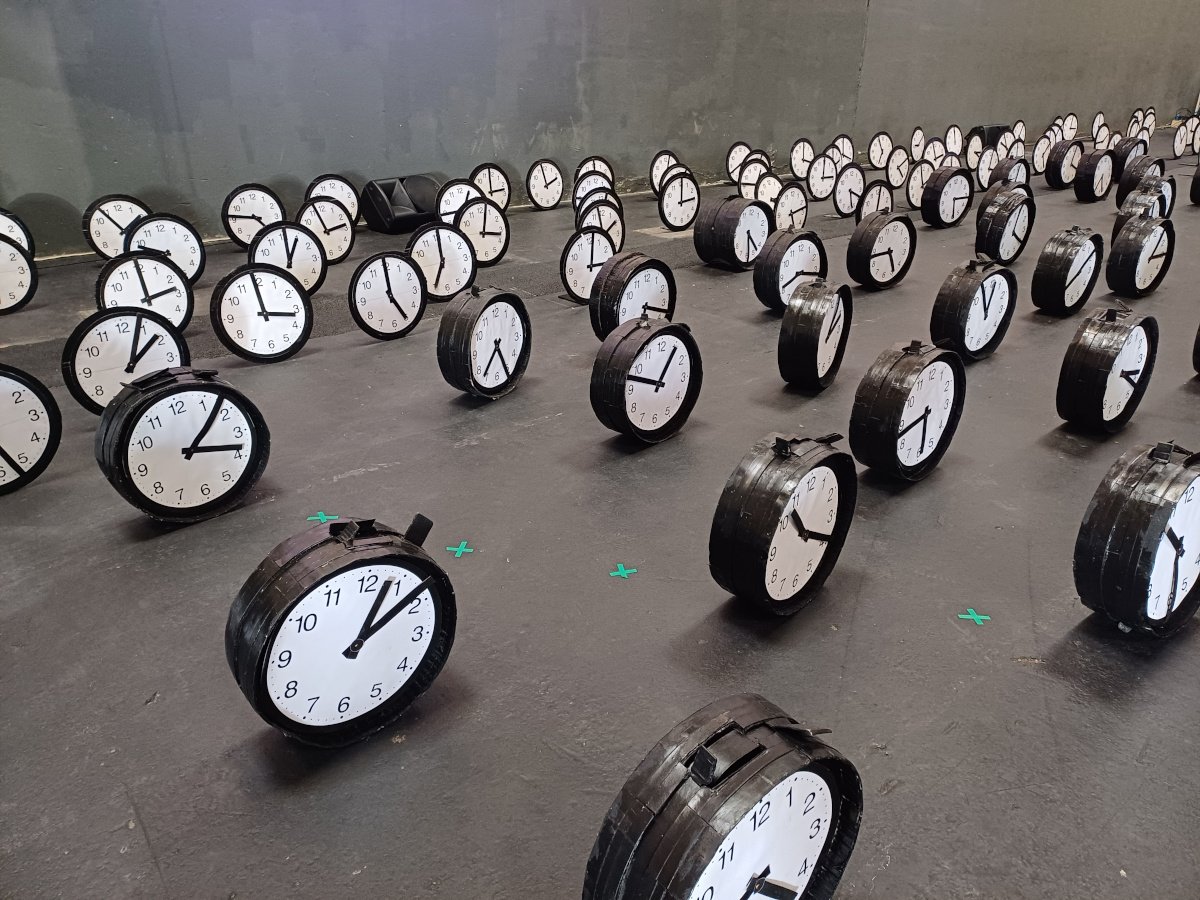
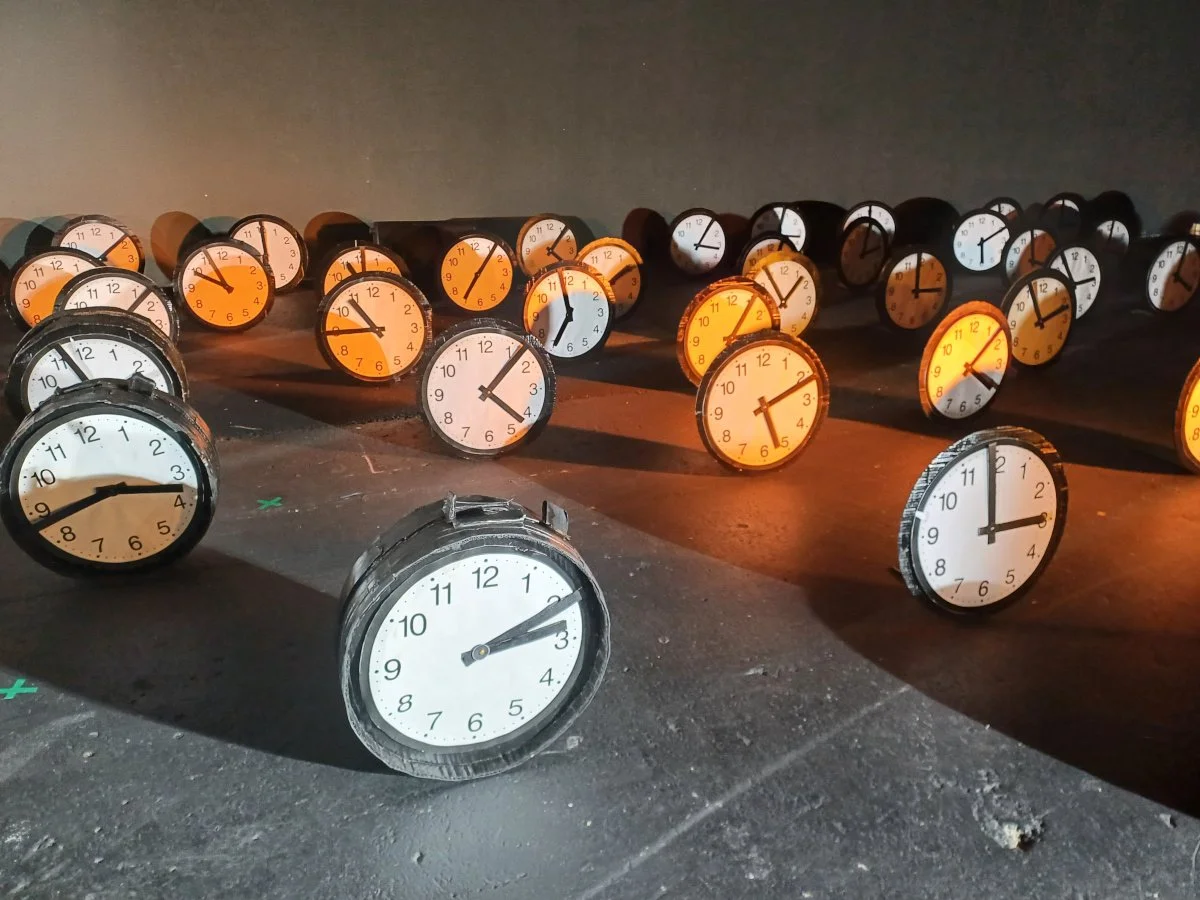
The heart of the work consisted of an imposing scenographic installation: nearly two hundred vintage-style railway clocks.
Arranged across a vast exhibition space, these clocks—their hands frozen at different times—transformed the pavilion into a metaphysical set. The space invited an exploration of the two dimensions of time: Chronos (objective, measured time) and Kairos (the subjective, opportune moment of the soul).
The Audience as Protagonist: Cinematic Performance
The installation offered visitors a unique opportunity to shift from observers to protagonists.
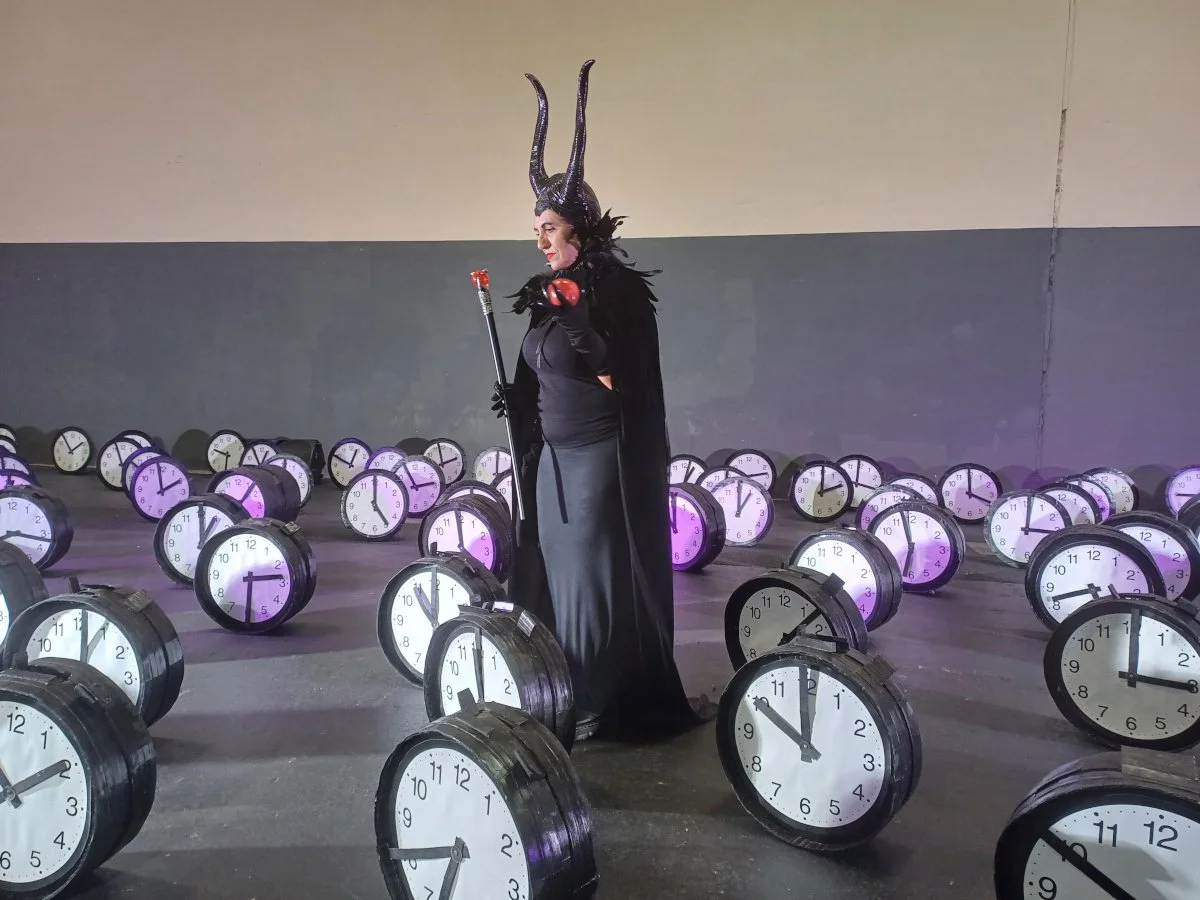
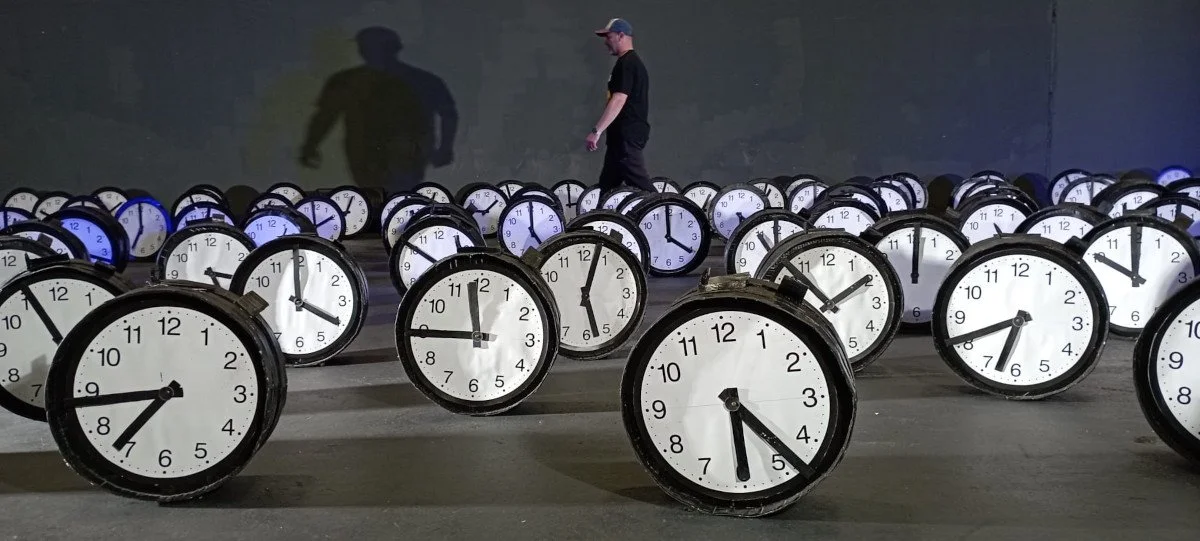
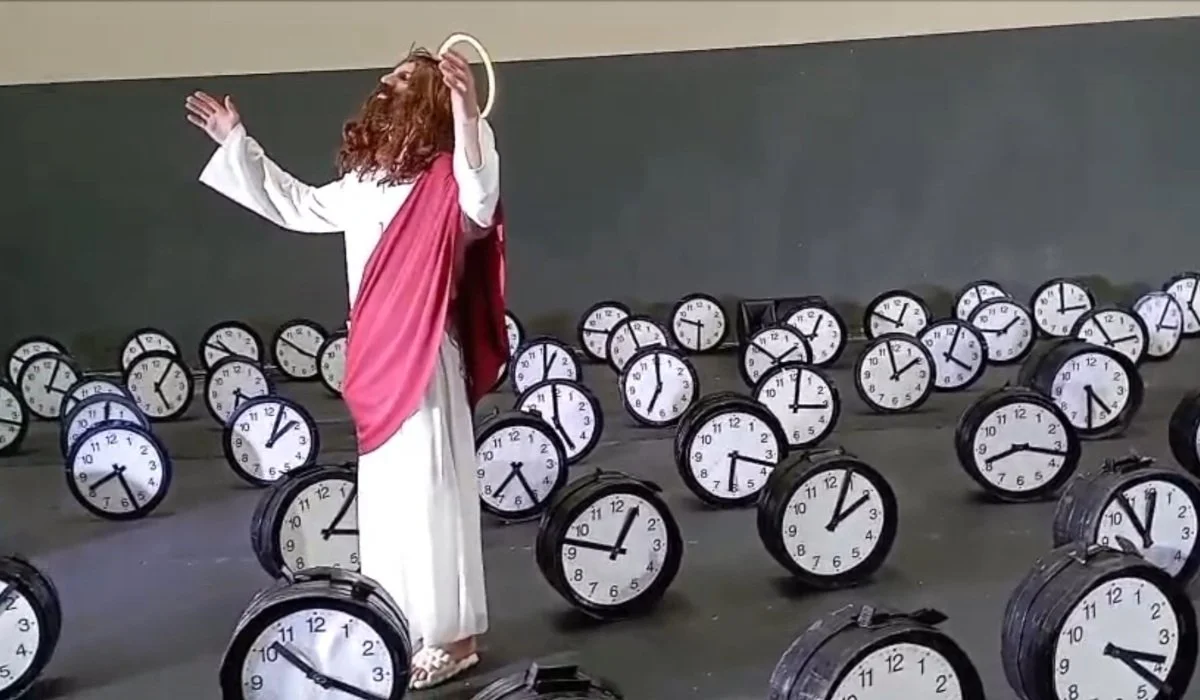
After selecting personal preferences (such as name initials, favorite colors, seasons, and times of day), participants physically entered the set, moving among the clocks according to their instinct. This "temporal walk," captured by a multi-camera system, became a spontaneous acting performance where every pause and gesture defined the visual narrative of their personal short film.
Technical Execution: The Instant Short Film Algorithm
The project's technological complexity lay in its ability to process and deliver a finished product in real-time.
Dedicated software collected user variables and freshly captured footage, combining them with music and philosophical quotes to generate a unique 30-second video. Via a QR code system, participants could immediately download their film, taking home a digital fragment of a complex, tech-driven artistic experience.
Sonic Architecture: A Mosaic of 384 Melodic Fragments
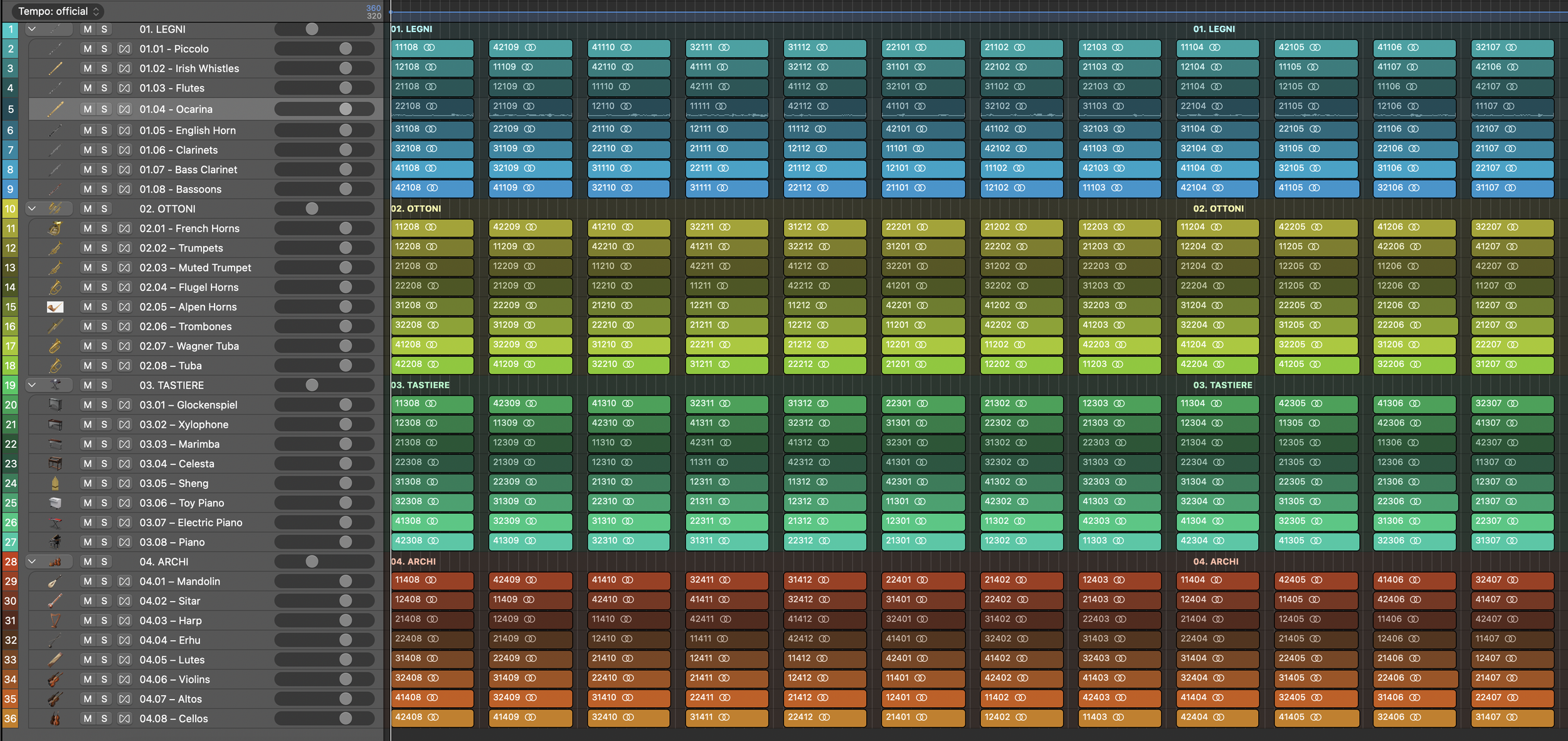
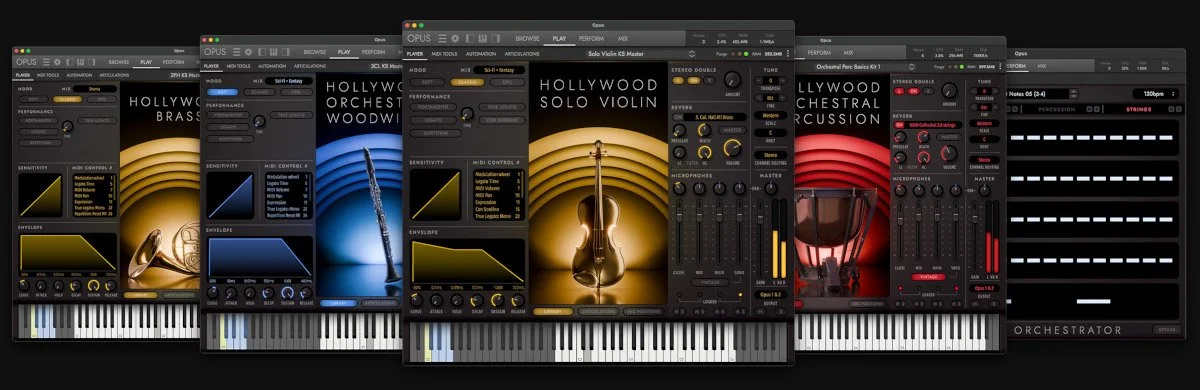
The musical core of the installation was a massive "sound reservoir" of nearly 400 pre-recorded audio fragments, created using EastWest libraries.
The system operated on two levels: eight background textures (determined by the user’s choice of season and time of day) and a body of 384 solo melodies (spanning woodwinds, brass, strings, and keyboards).
The real-time challenge was immense: depending on which clock the participant chose to stop at, the algorithm pulled the specific melody corresponding to the hour shown by that clock’s hands. This allowed for the generation of ever-changing soundtracks, translating the protagonist's visual instinct into a unique acoustic experience, merging classical compositional rigor with the unpredictability of live performance.