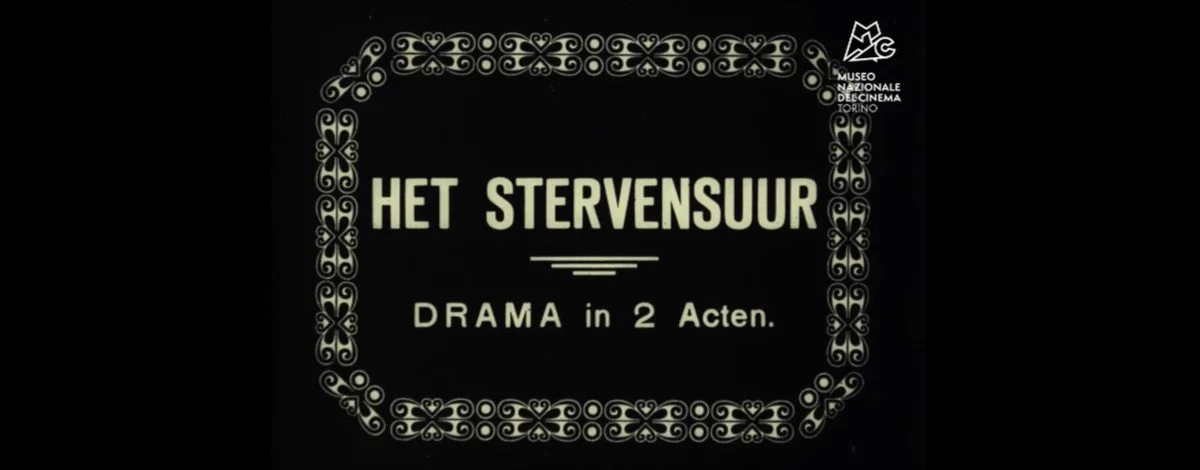
Het Stervensuur
The Pitying Mask: a visual bridge between the Netherlands and the historic squares of Turin
Original Score for the 1911 Lokomotif Ensemble and the National Museum of Cinema, written with my brother Roberto
Het Stervensuur: a Dutch Drama in the Silent Era
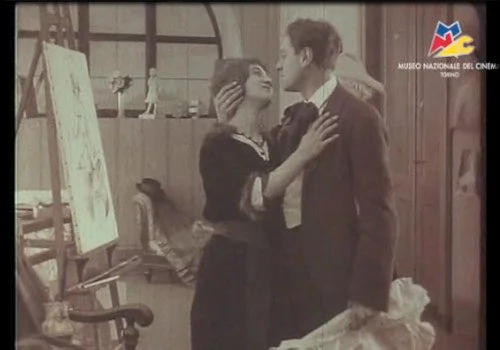
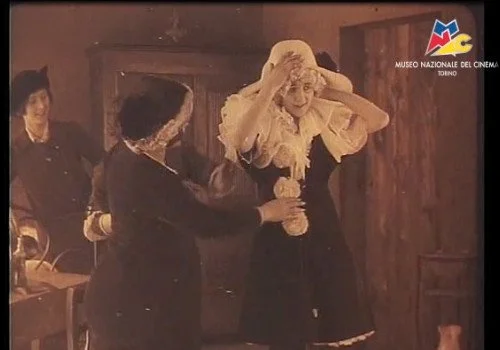
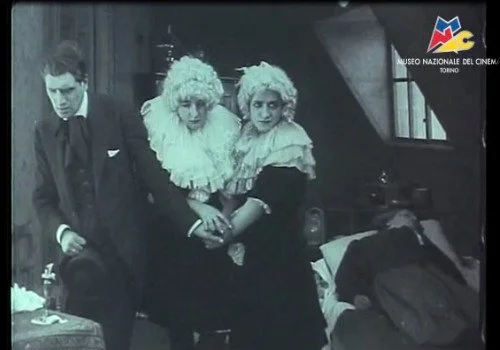
Produced in 1914 by the Dutch company Film-Fabriek Hollandia and directed by Maurits Binger, Het Stervensuur (Italian title: La Maschera Pietosa) is a featurette that perfectly embodies the era's taste for intense psychological drama.
Though its origins are Dutch, the film has become a jewel in the collections of the National Museum of Cinema in Turin. The museum’s restoration has returned to the public a work that shines for its photographic quality and surprisingly modern visual storytelling.
Turin 1914: The Technical Prodigy of Piazza Vittorio
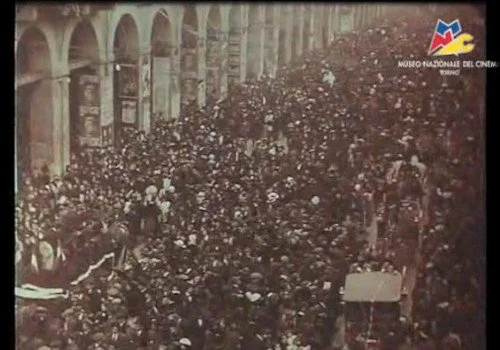
One of the most extraordinary aspects of this film is the visual documentation of early 20th-century Turin.
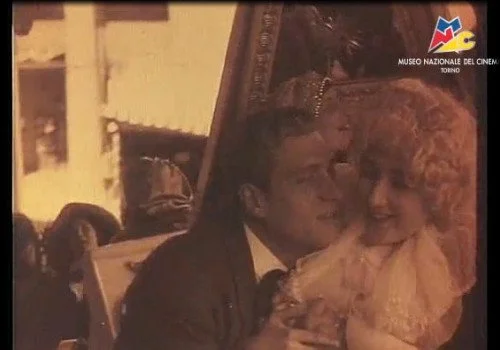
The footage captures a city in celebration—likely during Carnival—with crowds flooding the streets. The true technical "miracle," however, occurs in Piazza Vittorio Veneto: here, the cameras capture incredible scenes on a roller coaster (the legendary Figure Eight) mounted in the heart of the square.
The decision to mount a camera on a moving cart—defying the laws of physics and stability of the time—remains a marvel of cinematic technique, providing a dynamic and dizzying point of view.
A National Museum of Cinema commission: Sonic Architecture and "Anachronistic" Noise
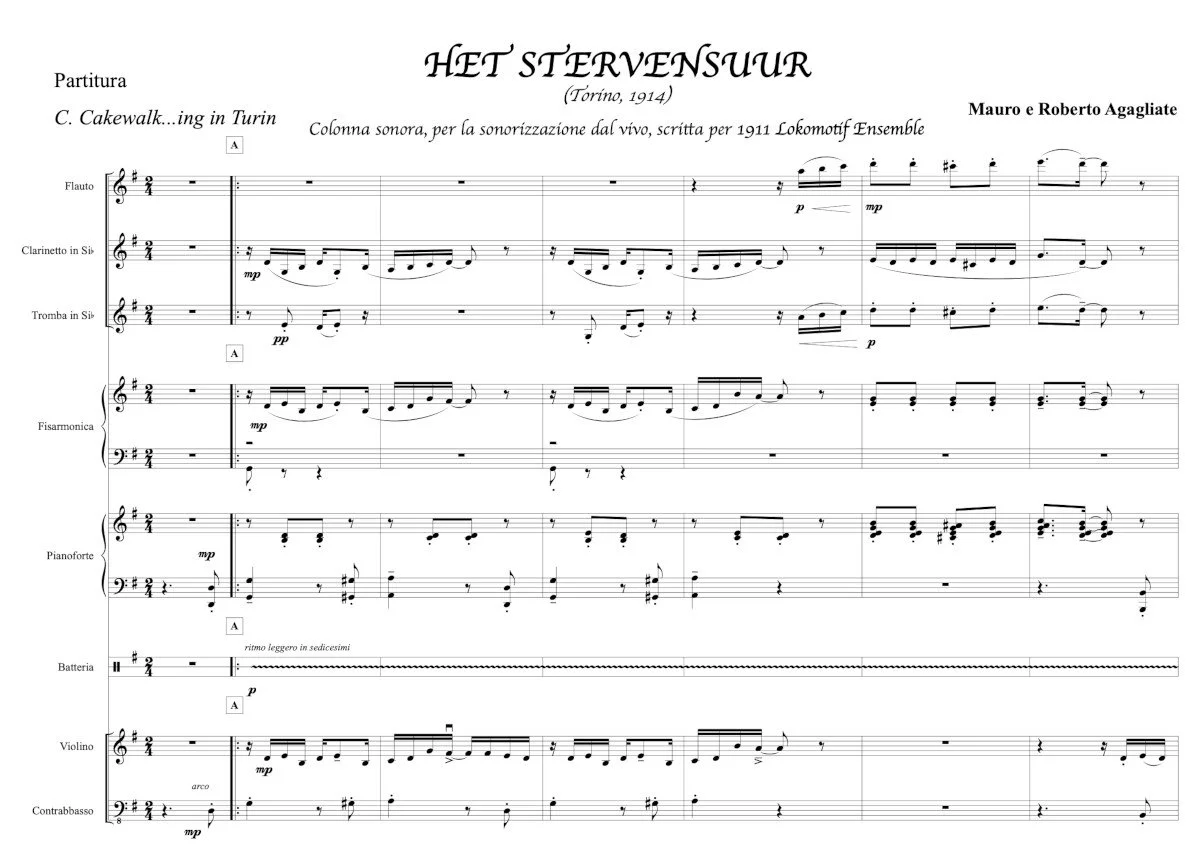
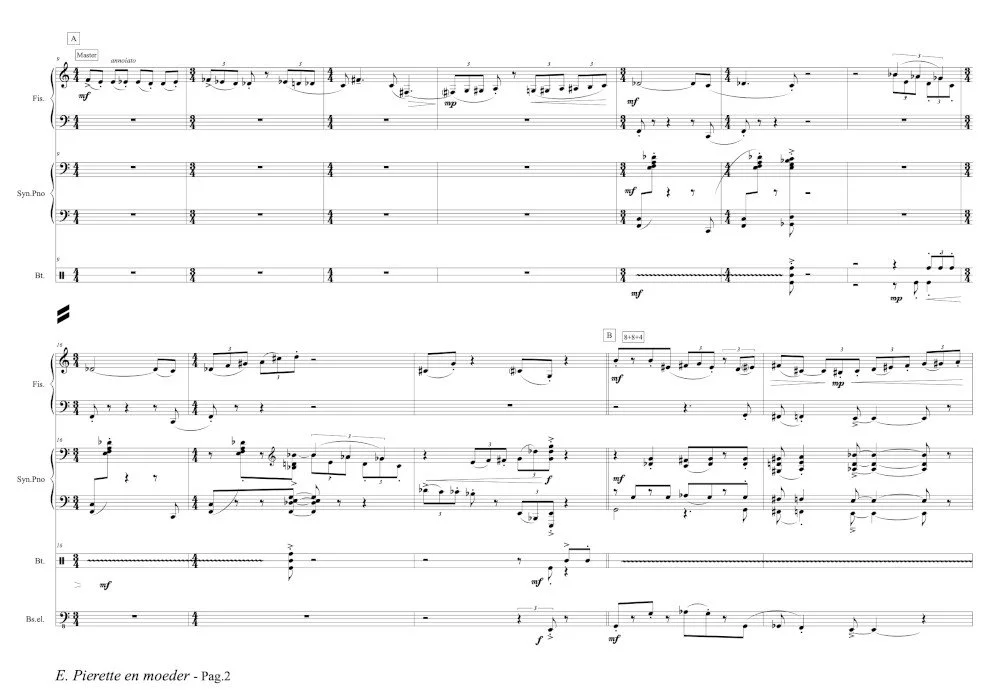
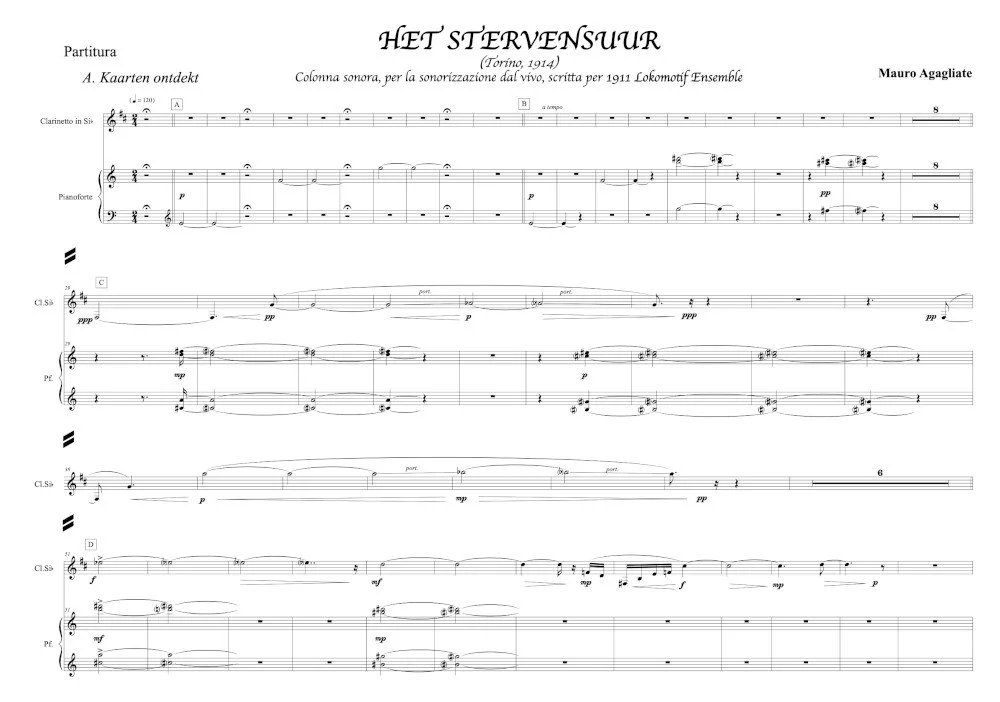
Commissioned by the National Museum of Cinema, the score was conceived for an eight-piece ensemble: flute, clarinet, trumpet, accordion, piano/keyboards, drums, violin, and double bass. The music acts as a stylistic glue, traversing the 20th century by mixing tonality and atonality, tango rhythms, minimalism, and cakewalk.
The element of modern disruption is the inclusion of a foley artist/sound designer tasked with generating "contemporary" noises. These sounds—impossible to hear a century ago—act as a time-machine, triggering short circuits between the visual past and our daily acoustic world. Alphanumeric computer keyboards emulate the rustle of paper; dot-matrix printers evoke the creaks of ancient roller coasters; cell phone ringtones give a modern voice to the festive crowds of 1914. The listener is left to navigate between familiarity and alienation, recognizing a contemporary soundscape set against an aesthetic born in the age of Georges Méliès.
The Sound Workshop: Bit vs. Reality
The soundtrack was born from a productive hybridization: we utilized EastWest libraries to weave a modern orchestral texture, which was then "humanized" through full studio recordings by the 1911 Lokomotif Ensemble.
Directed by us and specialized in silent cinema, this ensemble infused the score with the warmth and phrasing that only live performance can guarantee for instruments like the accordion, flute, and strings.
London Calling: The Italian Cultural Institute
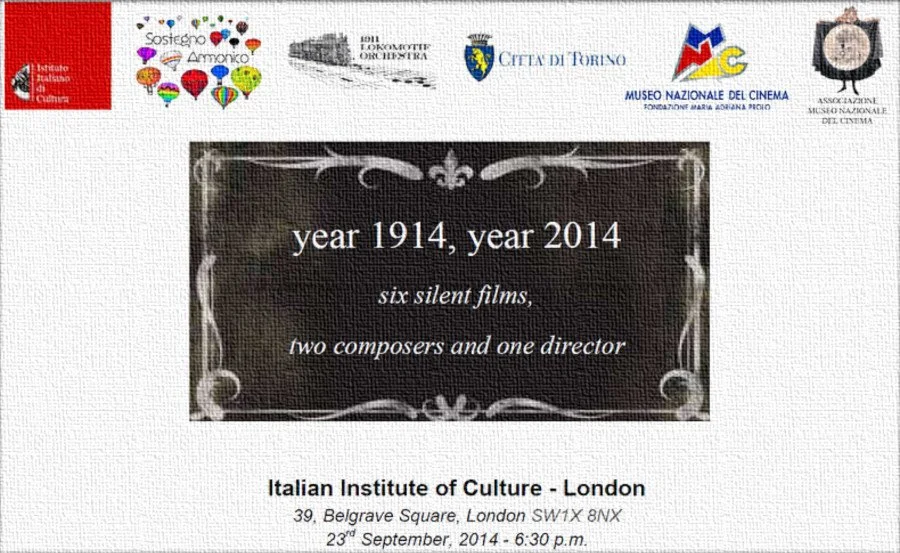
The international prestige of this work was sealed by an event at the Italian Cultural Institute in London.
Titled "Year 1914, Year 2014," the evening celebrated the centenary of Turin’s silent cinema in the heart of Belgrave Square. We presented our "sonic time-machine" to a distinguished audience including representatives from the BBC, the British Film Institute (BFI), and the Royal Academy of Arts.
The success of the evening confirmed how the universal language of silent film, regenerated by contemporary musical writing, can collapse temporal boundaries, allowing a piece of Turin’s history to speak with the world's leading cultural experts.