Robinet in Love with a Singer
A sonic rewriting between the theaters of Turin and the Moulin Rouge
Original Score for the 1911 Lokomotif Ensemble and the National Museum of Cinema, written with my brother Roberto
Robinet in Love with a Singer: Slapstick in 1911 Turin
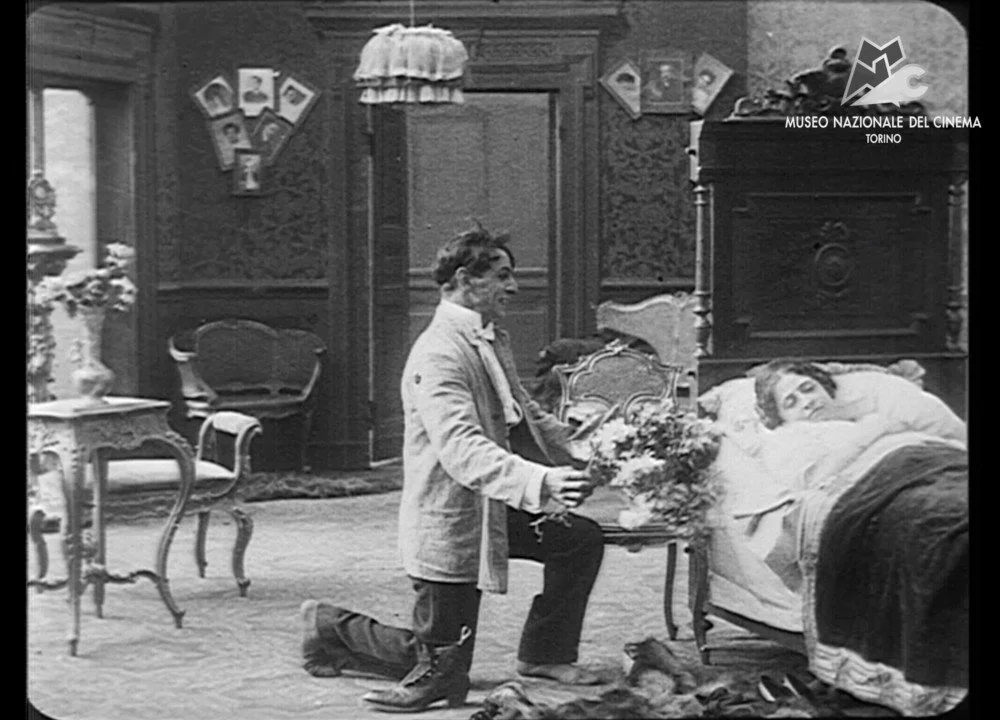
This short film, also known by its international title Tweedledum in Love with a Singer, is a precious artifact produced by the Società Anonima Ambrosio of Turin—a company that, in 1911, represented one of the creative peaks of the golden age of Italian cinema from its studios on the banks of the Po.
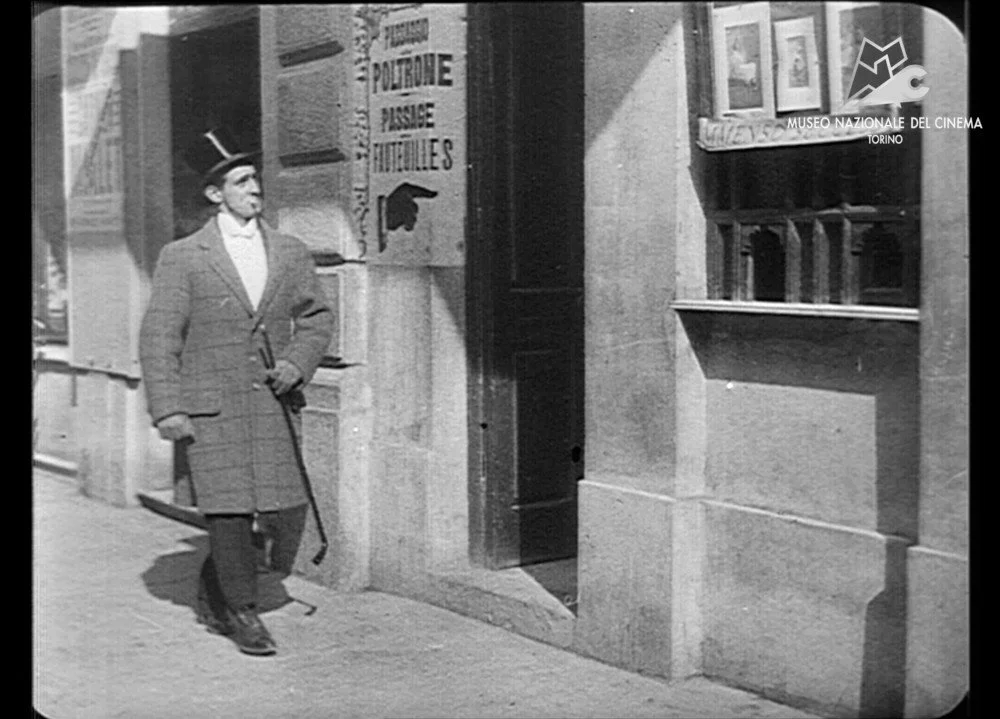
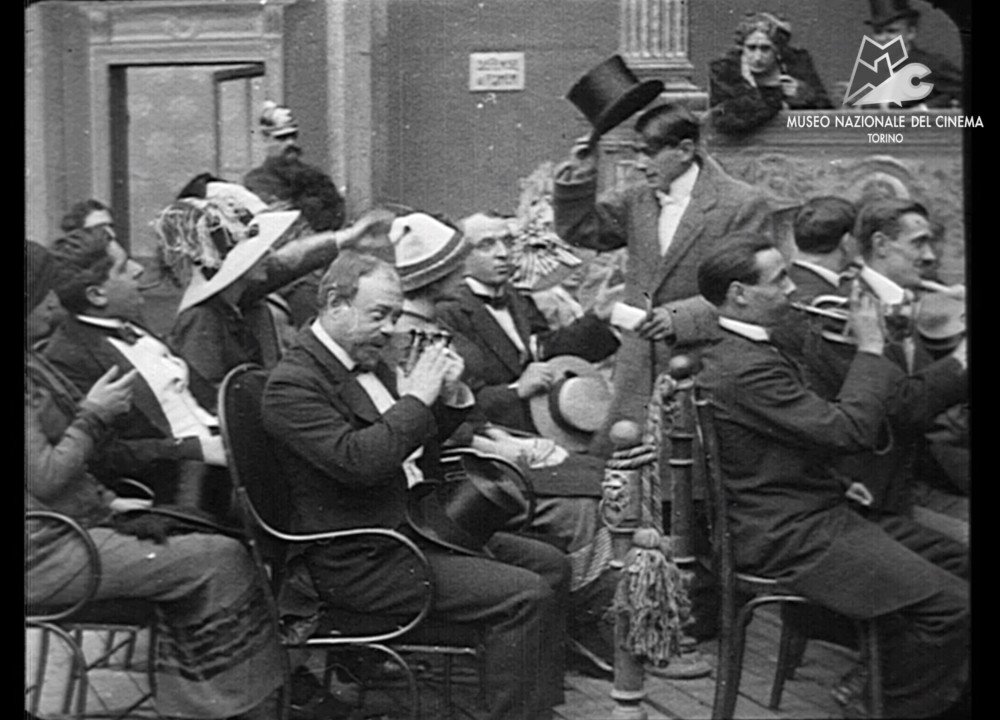
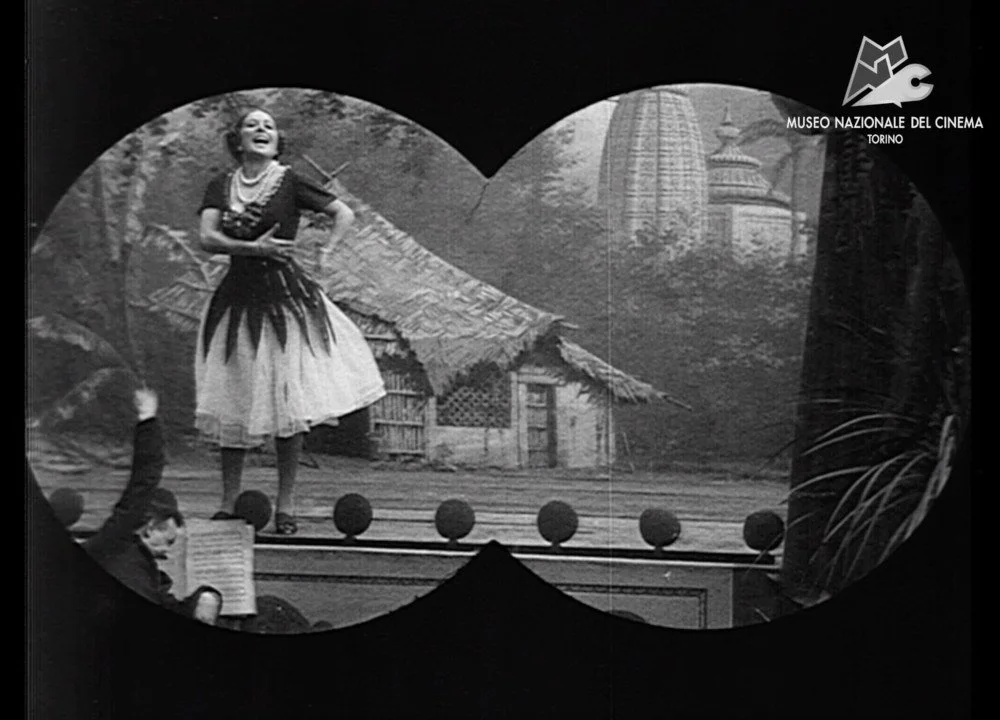
The protagonist, Marcel Fabre, portrays Robinet, a slapstick character famous throughout Europe, here depicted as a "Piedmontese gentleman" in a top hat and spats. The 11-minute narrative follows Robinet’s sudden infatuation with a Parisian singer during a tedious theatrical drama, triggering an unstoppable sequence of physical stunts and mishaps.
Commissioned by the National Museum of Cinema: An Homage to the Cradle of Film
Born from a commission by the National Museum of Cinema in Turin, this project aims to enhance and rediscover silent film heritage through a modern sonic lens.
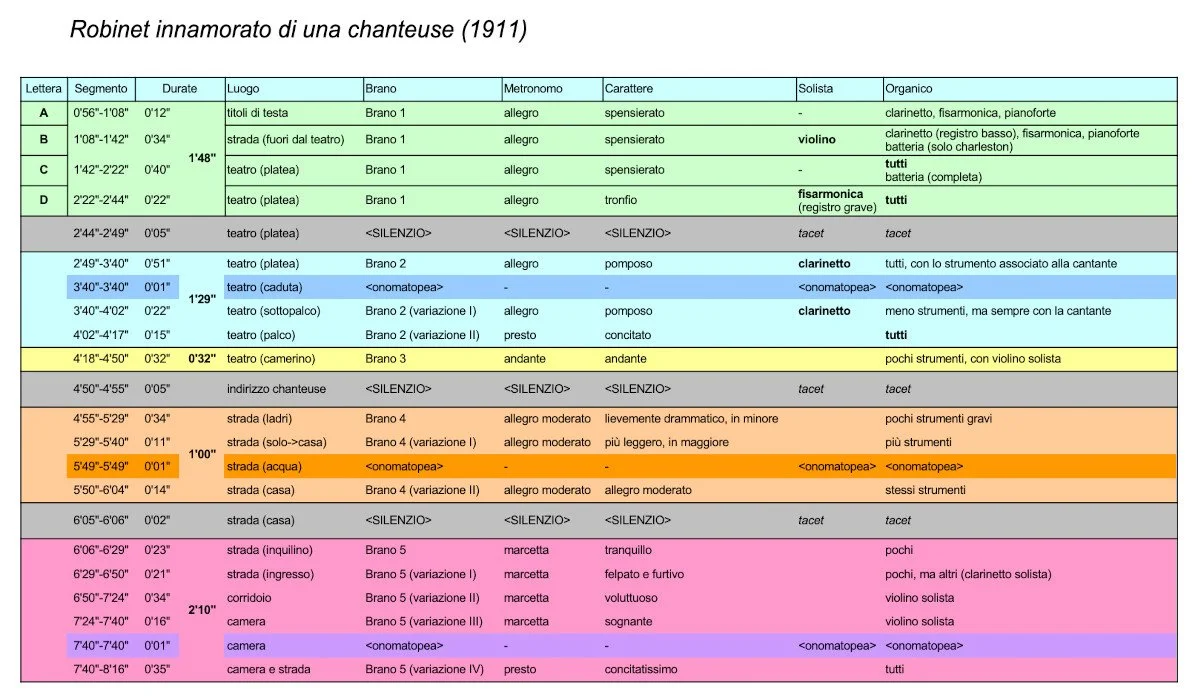
The musical architecture was designed to accompany the transition from the classical genres of the era—operetta, bel canto, and tenor registers—toward arrangements evoking the atmosphere of the Moulin Rouge, yet transposed into a deeply Torinese dimension. The score ideally inhabits the spaces between Piazza Vittorio and Piazza Castello, recovering the visual charm of a city from a century ago: theaters, cityscapes, and urban architectures that today appear as fragments of a lost world, brought back to life through contemporary music.
The Score for the 1911 Lokomotif Ensemble: An Architecture of Synchronism
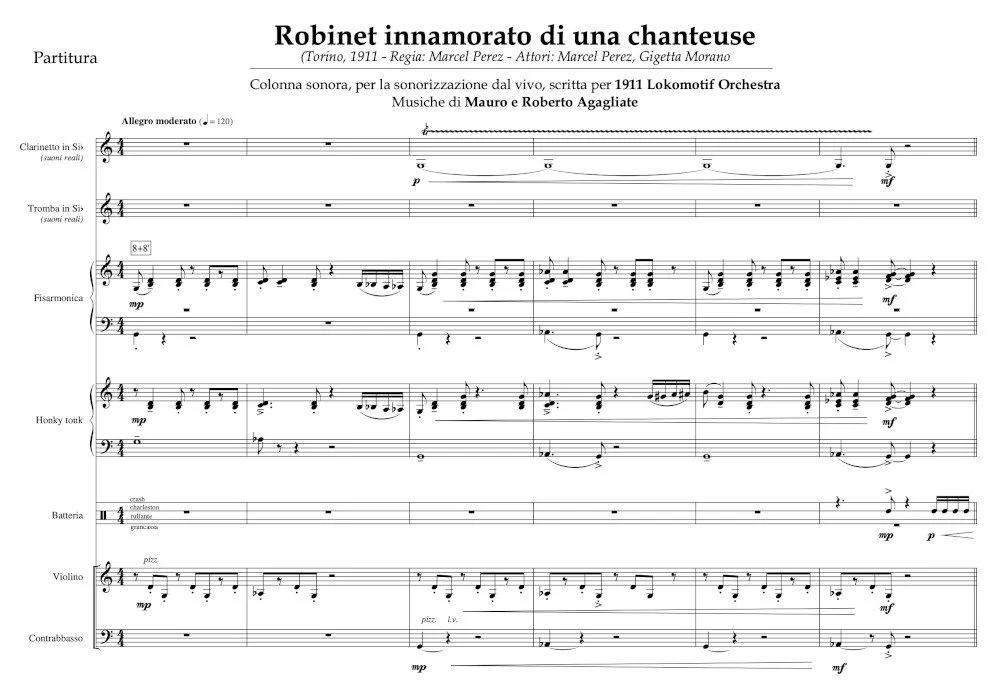
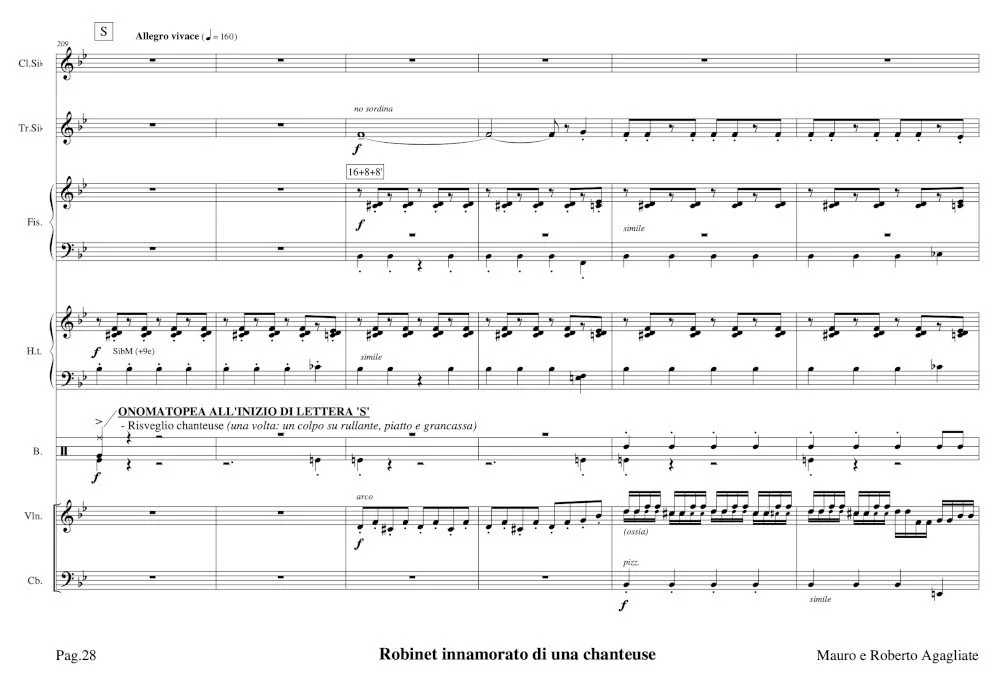
The soundtrack was composed specifically for the 1911 Lokomotif Ensemble, which for this occasion featured Clarinet, Trumpet, Accordion, Honky-Tonk Piano, Drums, Violin, and Double Bass.
The score is characterized by a Mickey-Mousing approach — extremely adherent to the visual dimension — where the music does not merely accompany but acts as a true extension of the actor's mimicry. Through tight counterpoint with the scenes, the composition heightens the emotional registers of slapstick: from moments of pathos to romantic drifts, underlining the protagonist's naive reactions with subtle irony.
Scoring at the Mole Antonelliana: Cinema in its Temple
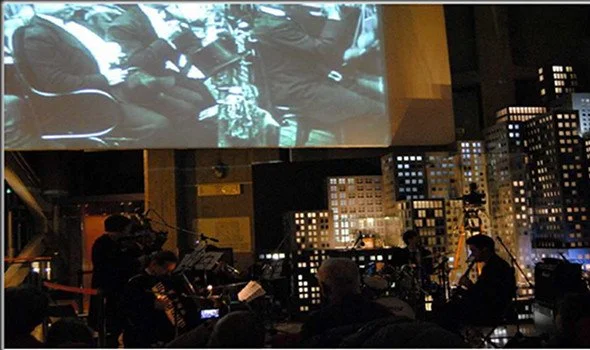
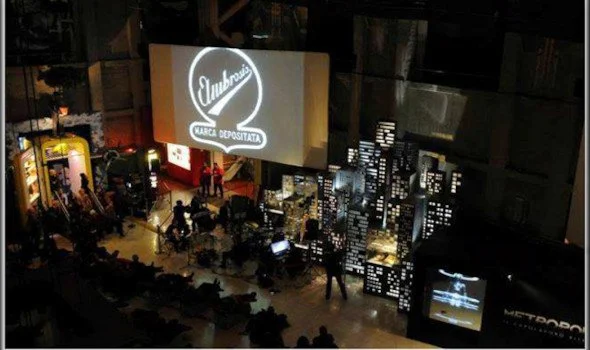
On November 17, 2012, the monumental setting of the Mole Antonelliana hosted the final event of the project dedicated to scoring Turin’s silent cinema.
Set against the backdrop of the exhibition dedicated to Metropolis, the 1911 Lokomotif Ensemble took on the task of musically redesigning Robinet’s short film before a sold-out audience. The challenge lay in inserting a linear and coherent musical narrative into the "elastic" and fragmented framework typical of slapstick comedy.
The 60th Anniversary of the AMNC: Scoring at Cinema Massimo
On July 8, 2013, the prestigious Sala Uno of Cinema Massimo hosted a gala evening to celebrate the 60th anniversary of the Association of the National Museum of Cinema (AMNC).
In this official institutional context, the 1911 Lokomotif Ensemble reprised the live score of Robinet in Love with a Singer. The performance was part of a program honoring the legacy of Maria Adriana Prolo, demonstrating how archival slapstick, when reinterpreted through a rigorous contemporary score, can still engage large audiences in the city's historic theaters, preserving its disruptive energy and executive freshness.
Year 1914, Year 2014: Robinet at Belgrave Square
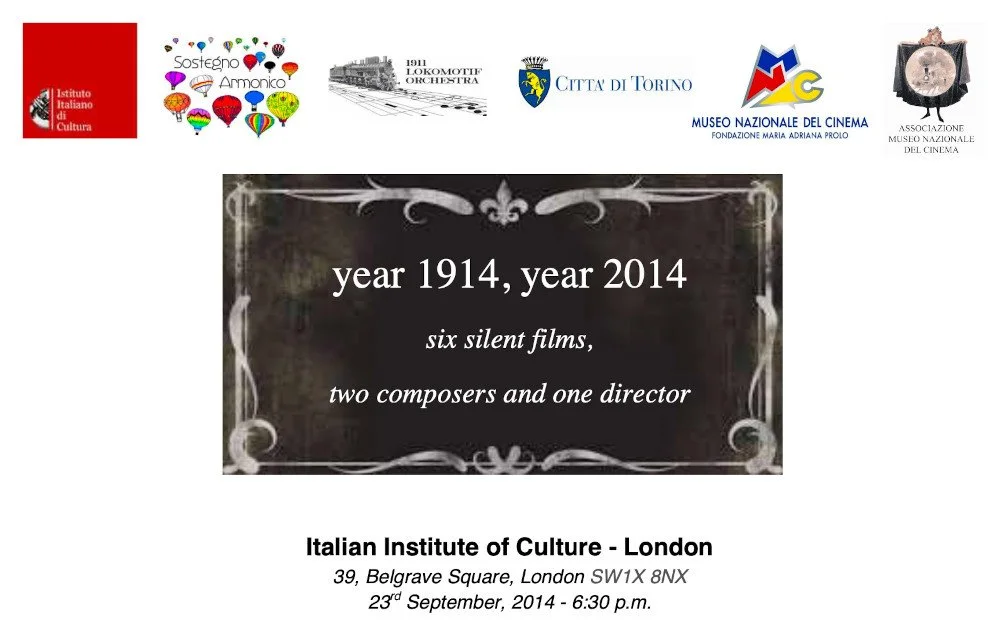
The international prestige of this work was sealed by its participation in the event "Year 1914, Year 2014" at the Italian Cultural Institute in London.
In this exceptional setting in the heart of Belgrave Square, Robinet’s slapstick was presented to an audience including leaders from the BBC, the British Film Institute (BFI), and the Royal Academy of Arts. The evening was not a simple screening but an intermedial dialogue: the recorded score by the 1911 Lokomotif Ensemble accompanied the images, while the presentation of the creative process illustrated to the London public how the "sonic kaleidoscope" of the score was able to regenerate a fragment of early 20th-century history into a universal language.