Train for Trane
A journey into the "breath" of John Coltrane, dedicated to Ladislav Fanzowitz
Scored for actor, tenor & baritone sax, piano, and double bass.
Sonic vision
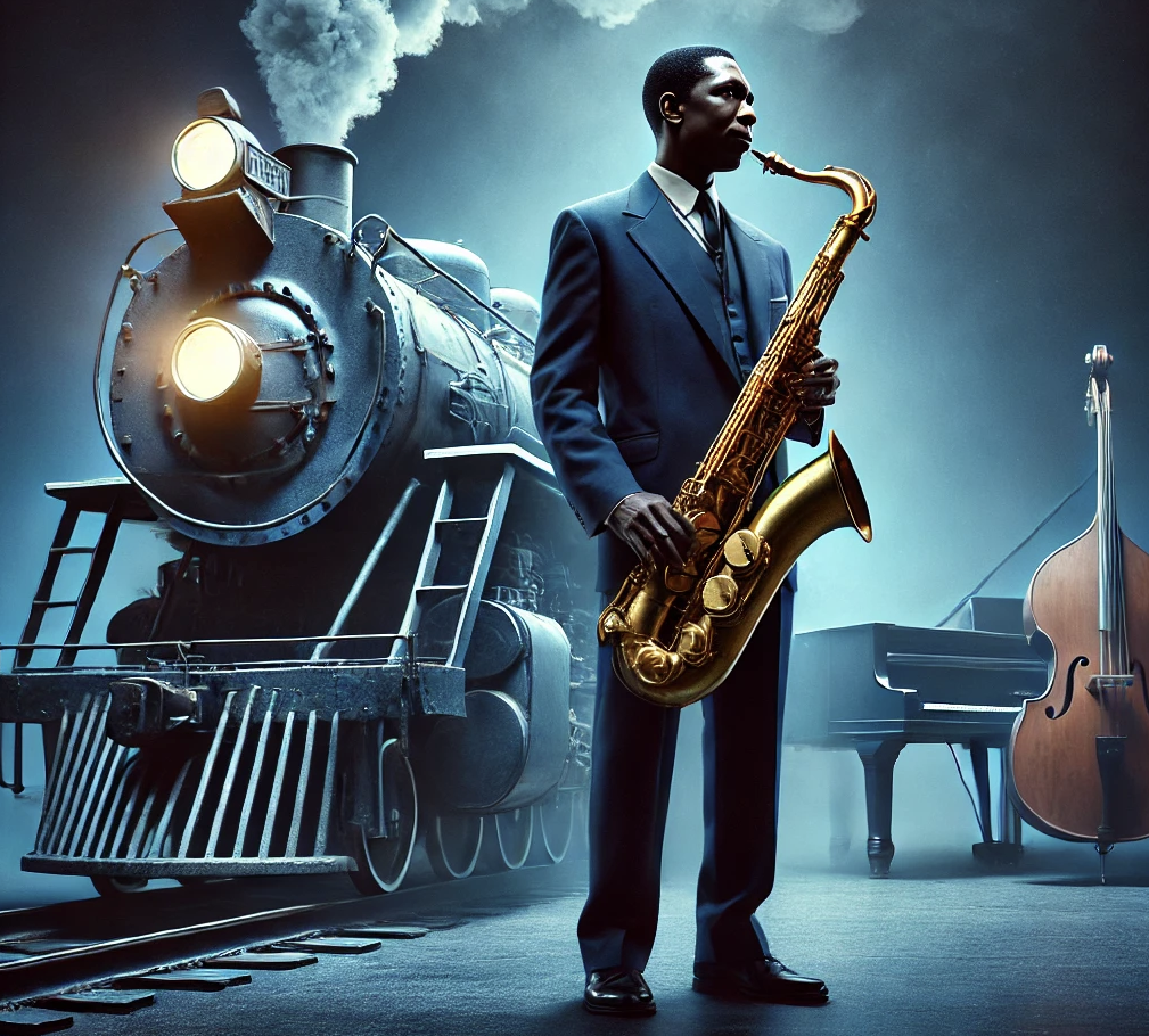
The cover art, born from experimentation with Artificial Intelligence, evokes the power of the Coltranean "train": a steam locomotive embodying the unstoppable force of the saxophonist's breath.
A Dialogue between Jazz and the Avant-Garde
Composed in early 2025, Train for Trane is dedicated to the multifaceted talent of pianist and saxophonist Ladislav Fanzowitz.
The piece is a complex sonic architecture for actor, two saxophones (tenor and baritone), piano, and double bass. More than a mere tribute, the score is a deconstruction and recomposition of Coltrane’s iconic themes, including Blue Train (1958), Giant Steps (1960), Out of This World (1962), Crescent (1964), and the monumental A Love Supreme (1965).
Voices and Textual Resonances
The beating heart of the work lies in its interaction with the poetry of Zéno Bianu, Éloge du Souffleur.
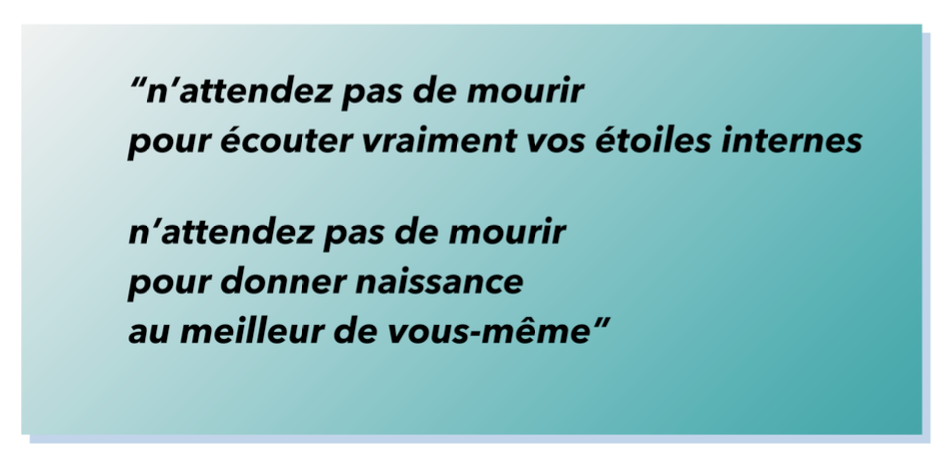
The actor's voice intertwines with the instruments in millimetric synchronization, giving body to a sonic vortex that inhabits the "infiniment sensible." The final verse of the poem serves as the seal of the work:
The Premiere: Bratislava, May 15, 2025
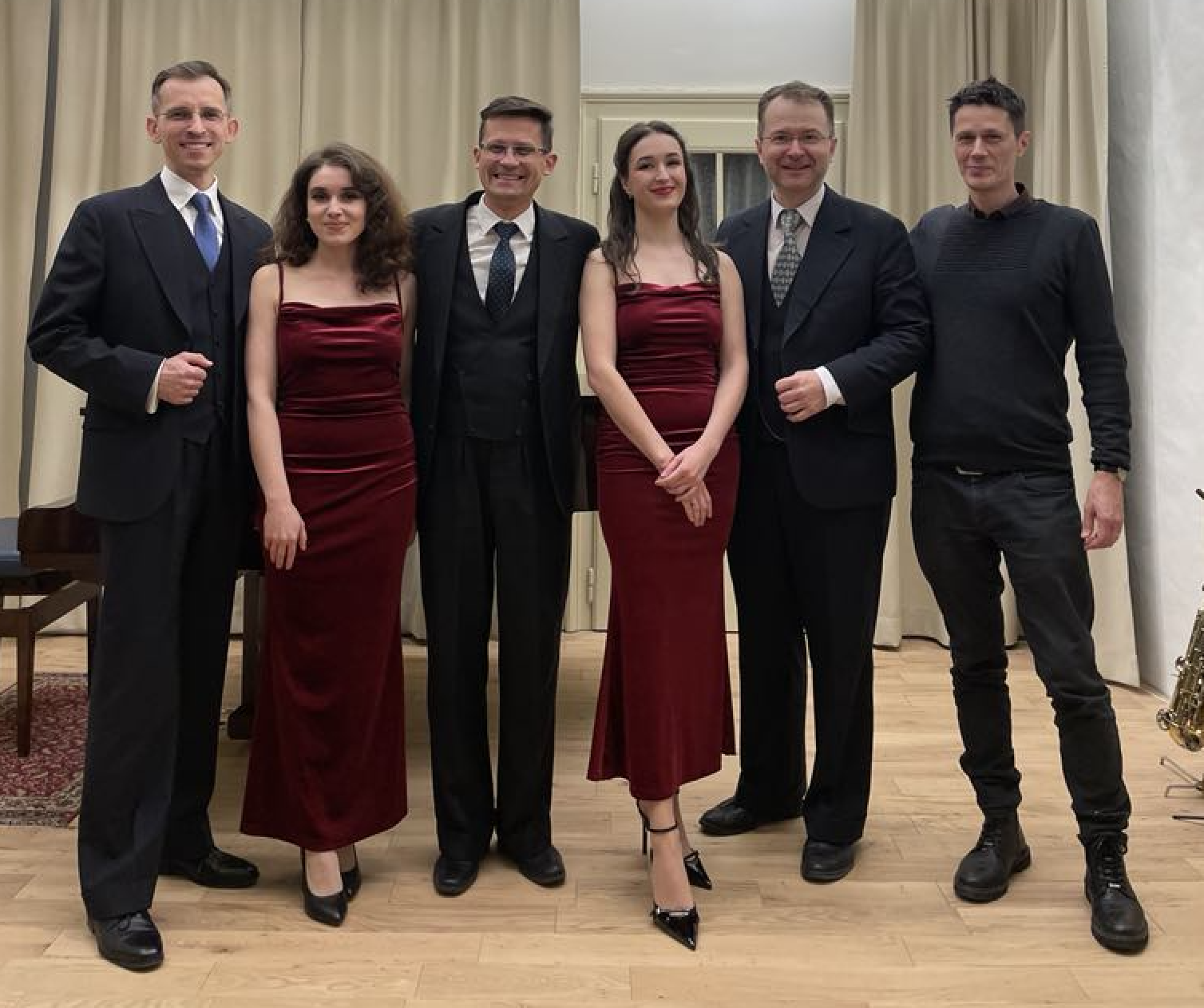
The Hommage... event, held on May 15, 2025, in Bratislava as part of the Domus & Hortus Artis festival, marked the international debut of Train for Trane.
The premiere featured an exceptional ensemble led by Ladislav Fančovič (saxophones), with Angelina Kydora (piano), Pavol Kušík (double bass), and the narrating voice of Frédéric Miskiewicz.
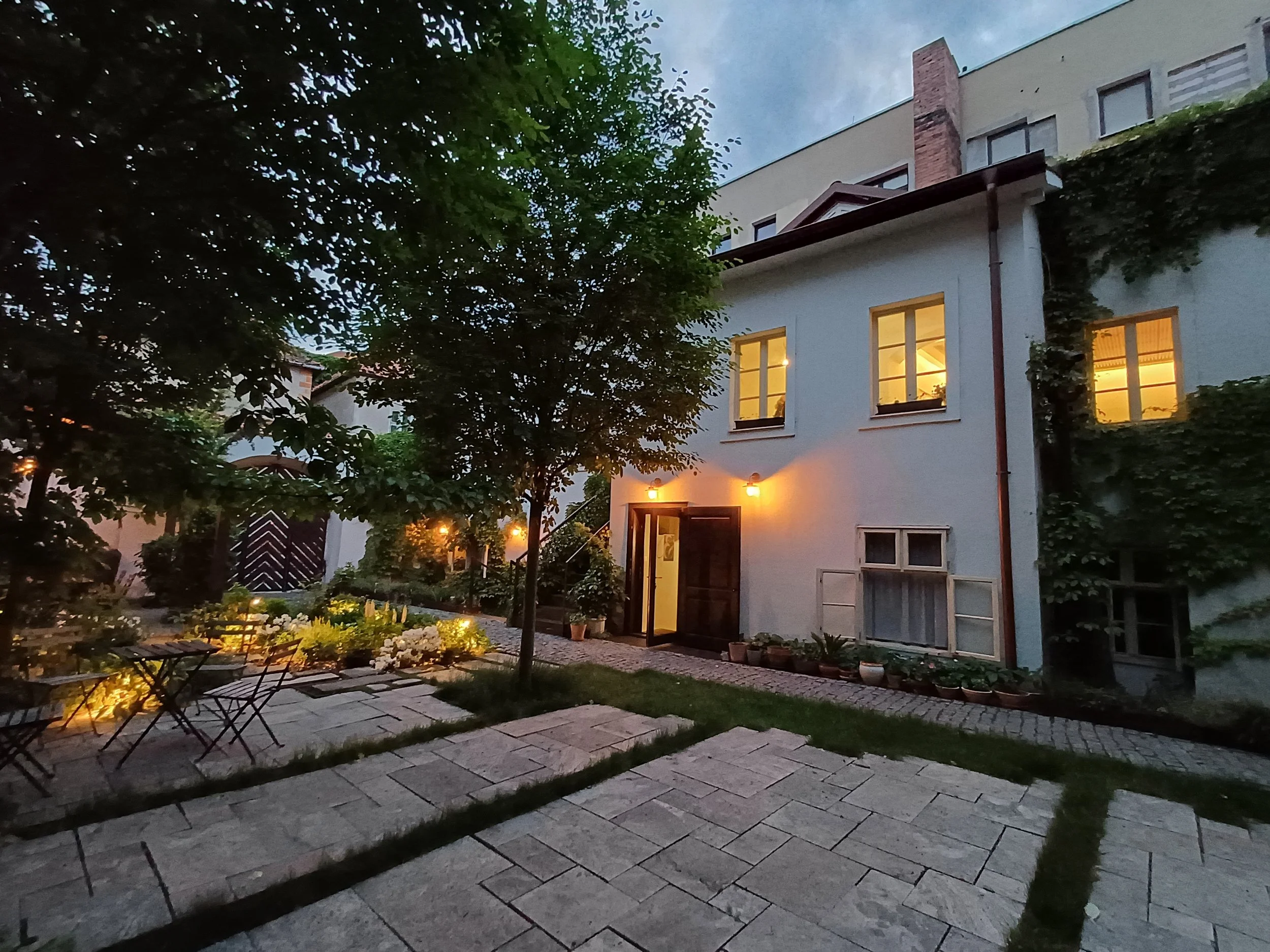
Hosted in the evocative Dom Albrechtovcov, the score was performed alongside works by Demersseman, Burnette, and Piaček, confirming the project’s versatility in blending French poetic narrative with a rigorous jazz-chamber aesthetic.
From Score to Studio: Slovak Philharmonic
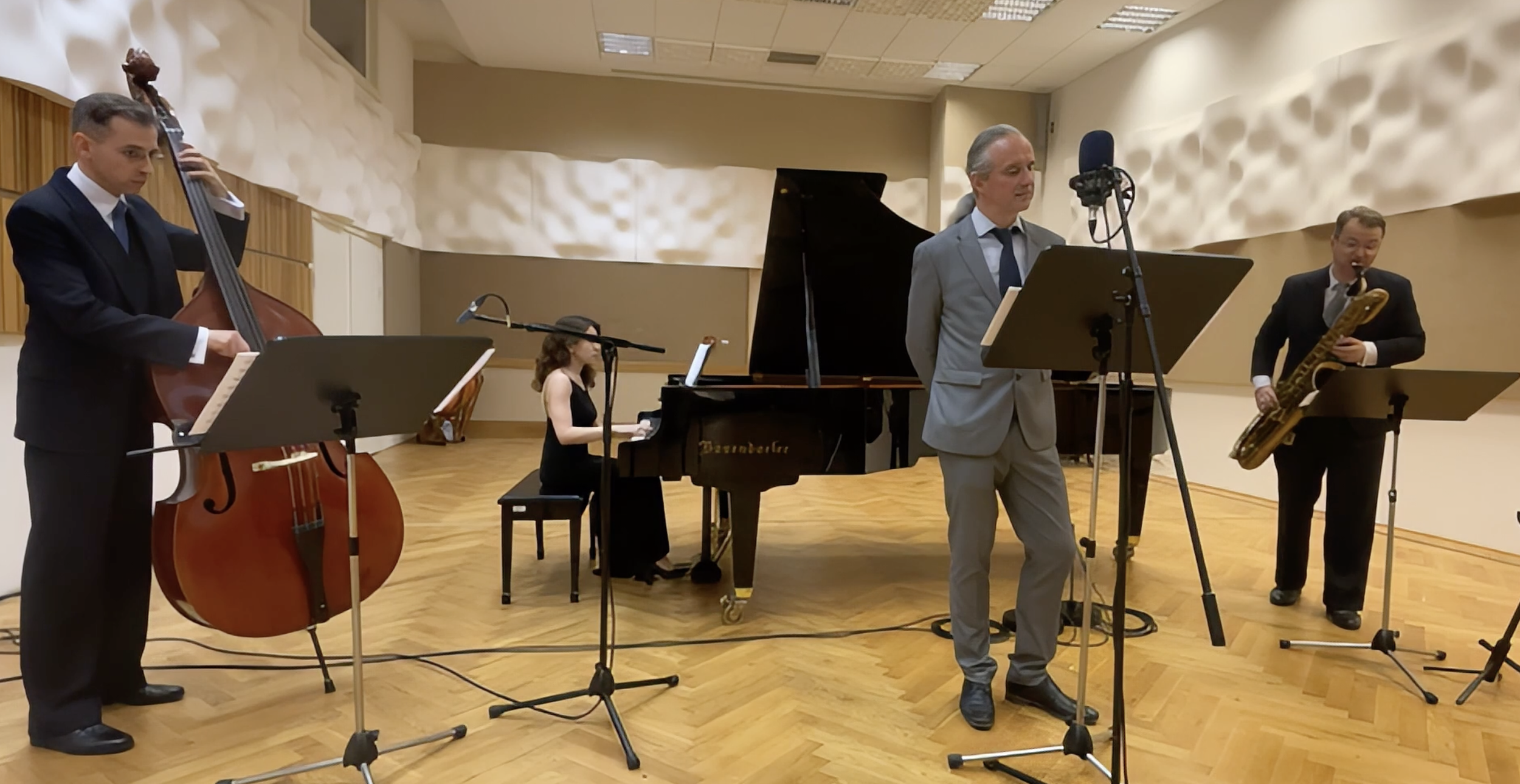
In July 2025, the project reached its definitive form at the Slovak Philharmonic Studio in Bratislava. The recording session featured the original premiere ensemble, ensuring absolute interpretive continuity.
Musical supervision and video production were led by Marek Piaček, with Andrej Osvald as recording and mastering engineer, assisted by Olesia Stepura. The resulting sound document captures both the vehemence and the "rugged sweetness" of the score.